Never one to shy away from unique ways to get inspired and have an enlightening experience, you're prepared to check out new territory like the expert traveller you are. It's not difficult to fill an itinerary, because Expedia Australia makes it simple to book loads of things to do. Reserve your activities now, and the only thing you'll have left to do is pack your trunk and prepare to have fun!
- Book your favourite day trip on Expedia Australia at a great value, and you'll still have enough cash for a fancy hotel or decadent meal while you're visiting. The activities in Surakarta are not only among the best, but they won't bust your budget. We have 6 things to do here, and you can reserve them starting at just AU$85.
- Surakarta is popular among travellers suchlike yourself. In fact, a good percentage of travellers give the city's hotels exemplary reviews and have been visiting to check out local hot spots and find the top activities. The top things to do can get the attention of even seasoned globetrotters, and that includes savvy visitors like you. Our list includes a wide array of history and excitement. From food and wine tours to exploring mother nature, there are loads of things to do to choose from when you review the finest tours and excursions here at Expedia Australia.
You'll want a game plan to best get the feel for Surakarta, particularly when you wish to include plentyof local cuisine and entertainment. And it's clear that you're someone who likes to get out and about you're excited to get out and have an adventure. You're excited to sign up for the top activities around, and an afternoon walk through charming neighbourhoods is always time well spent. Our activities are the ideal way to organise your getaway. Book professional city tours on Expedia Australia, and you may find all that you are seeking and more.


![At the museum no photos are allowed which is really unfortunate as it was well worth the visit and the guided tour is definitely not to be missed. In the museum there are even Batik made from the Dutch era which depicts stories like Little Red Riding Hood and Snow White!
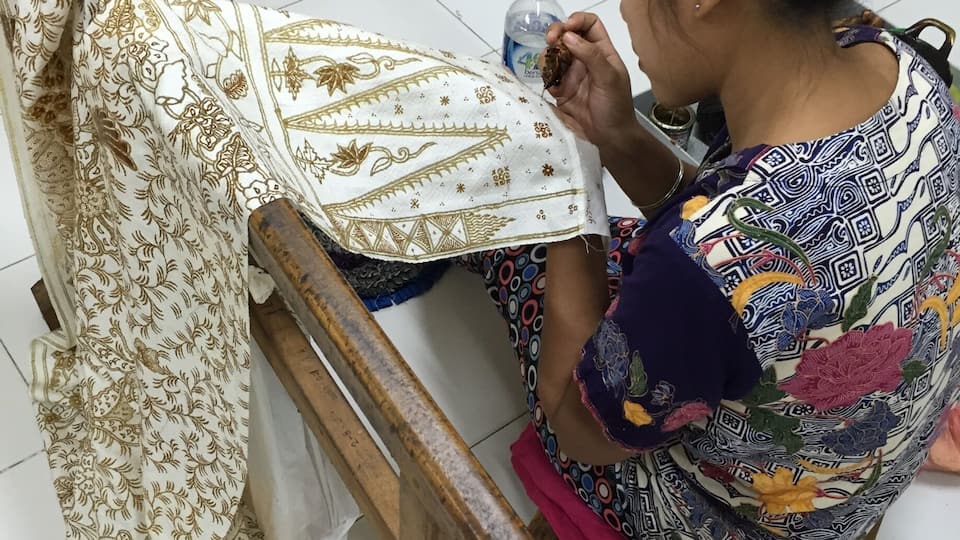
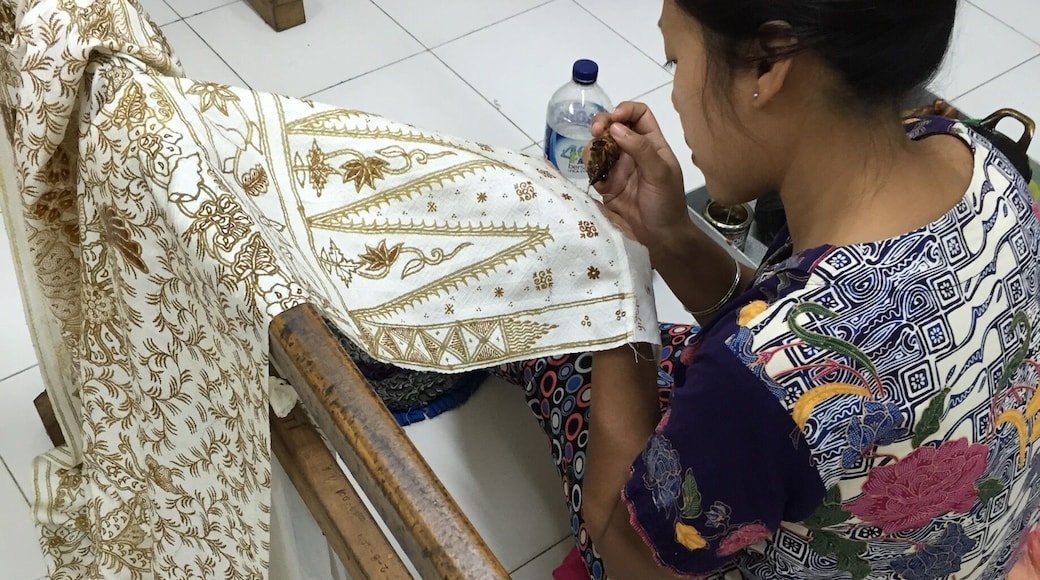
I enjoyed the tour v much and at the end of the tour we were brought to this room where the artisan were working on hand drawn batik.
Below is an excerpt from Wikipedia for anyone interested in learning more about the process of batik making.
Firstly, a cloth is washed, soaked and beaten with a large mallet. Patterns are drawn with pencil and later redrawn using hot wax, usually made from a mixture of paraffin or bees wax, sometimes mixed with plant resins, which functions as a dye-resist. The wax can be applied with a variety of tools. A pen-like instrument called a canting (IPA: [tʃantiŋ], sometimes spelled with old Dutch orthography tjanting) is the most common. A canting is made from a small copper reservoir with a spout on a wooden handle. The reservoir holds the resist which flows through the spout, creating dots and lines as it moves. For larger patterns, a stiff brush may be used. Alternatively, a copper block stamp called a cap (IPA: [tʃap]; old spelling tjap) is used to cover large areas more efficiently.
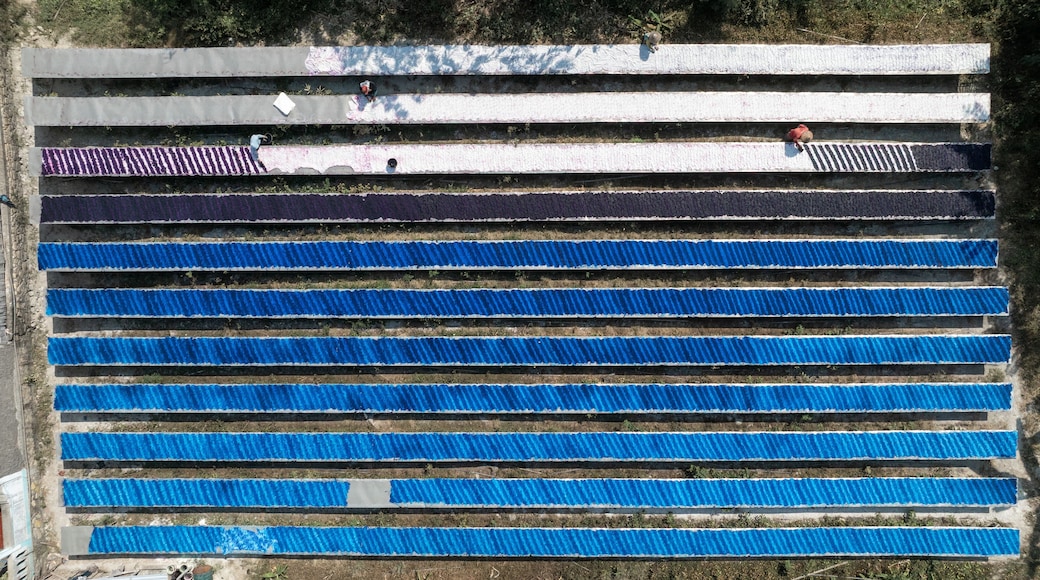
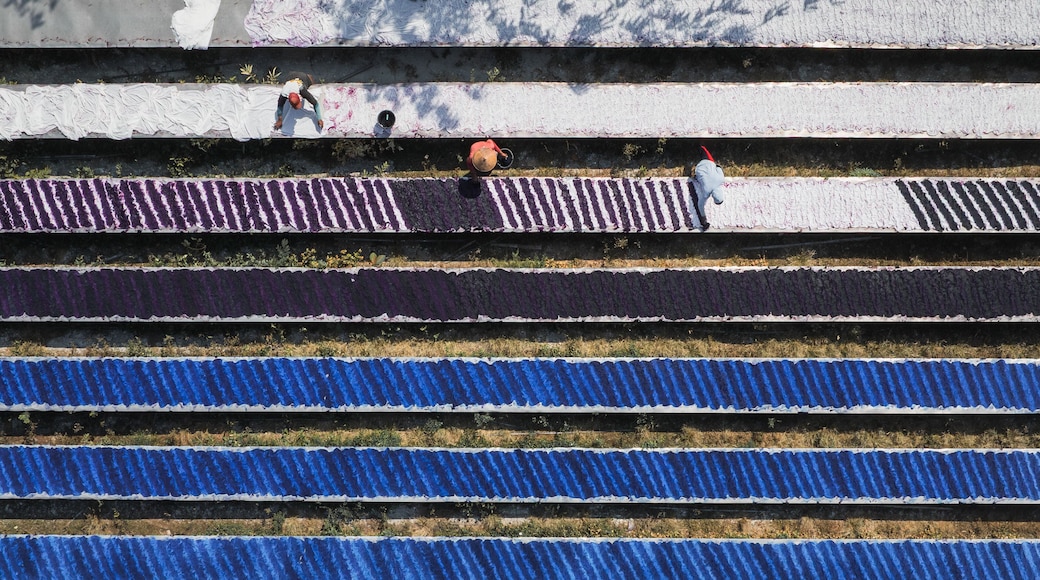
After the cloth is dry, the resist is removed by scraping or boiling the cloth. The areas treated with resist keep their original color; when the resist is removed the contrast between the dyed and undyed areas forms the pattern. This process is repeated as many times as the number of colors desired.
The most traditional type of batik, called batik tulis (written batik), is drawn using only the canting. The cloth need to be drawn on both sides and dipped in a dye bath three to four times. The whole process may take up to a year; it yields considerably finer patterns than stamped batik.
Source: Wikipedia](https://images.trvl-media.com/place/6224808/26fd1460-c65a-4c1a-9444-7a893e883ac9.jpg?impolicy=fcrop&w=1040&h=580&q=mediumHigh)

![At the museum no photos are allowed which is really unfortunate as it was well worth the visit and the guided tour is definitely not to be missed. In the museum there are even Batik made from the Dutch era which depicts stories like Little Red Riding Hood and Snow White!
I enjoyed the tour v much and at the end of the tour we were brought to this room where the artisan were working on hand drawn batik.
Below is an excerpt from Wikipedia for anyone interested in learning more about the process of batik making.
Firstly, a cloth is washed, soaked and beaten with a large mallet. Patterns are drawn with pencil and later redrawn using hot wax, usually made from a mixture of paraffin or bees wax, sometimes mixed with plant resins, which functions as a dye-resist. The wax can be applied with a variety of tools. A pen-like instrument called a canting (IPA: [tʃantiŋ], sometimes spelled with old Dutch orthography tjanting) is the most common. A canting is made from a small copper reservoir with a spout on a wooden handle. The reservoir holds the resist which flows through the spout, creating dots and lines as it moves. For larger patterns, a stiff brush may be used. Alternatively, a copper block stamp called a cap (IPA: [tʃap]; old spelling tjap) is used to cover large areas more efficiently.
After the cloth is dry, the resist is removed by scraping or boiling the cloth. The areas treated with resist keep their original color; when the resist is removed the contrast between the dyed and undyed areas forms the pattern. This process is repeated as many times as the number of colors desired.
The most traditional type of batik, called batik tulis](https://images.trvl-media.com/place/6224808/26fd1460-c65a-4c1a-9444-7a893e883ac9.jpg?impolicy=fcrop&w=350&h=192&q=medium)