
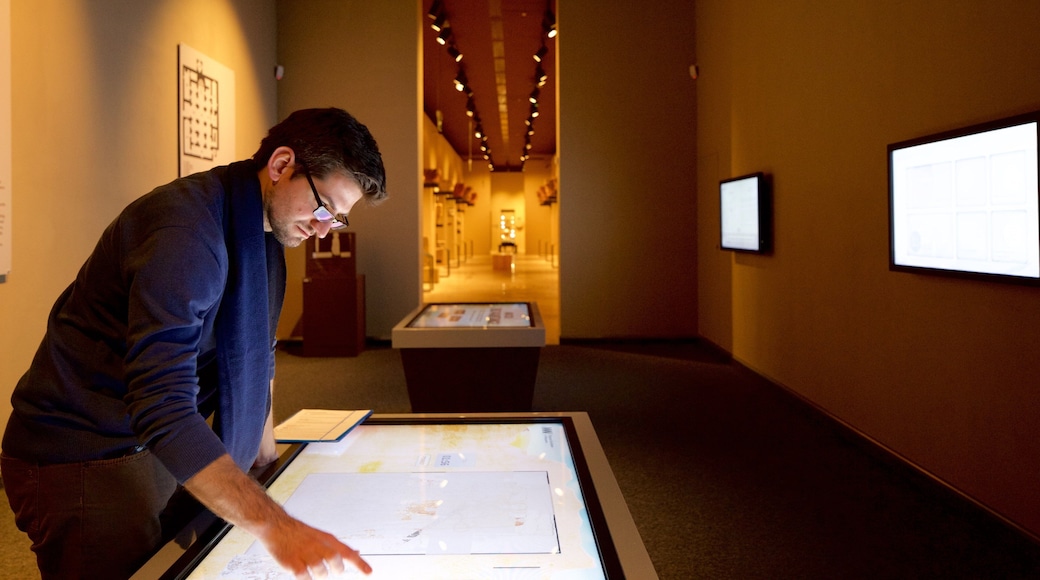
The capital of Poland was rebuilt after World War II and continues to grow, with a flourishing arts scene and a mix of old and modern architecture.
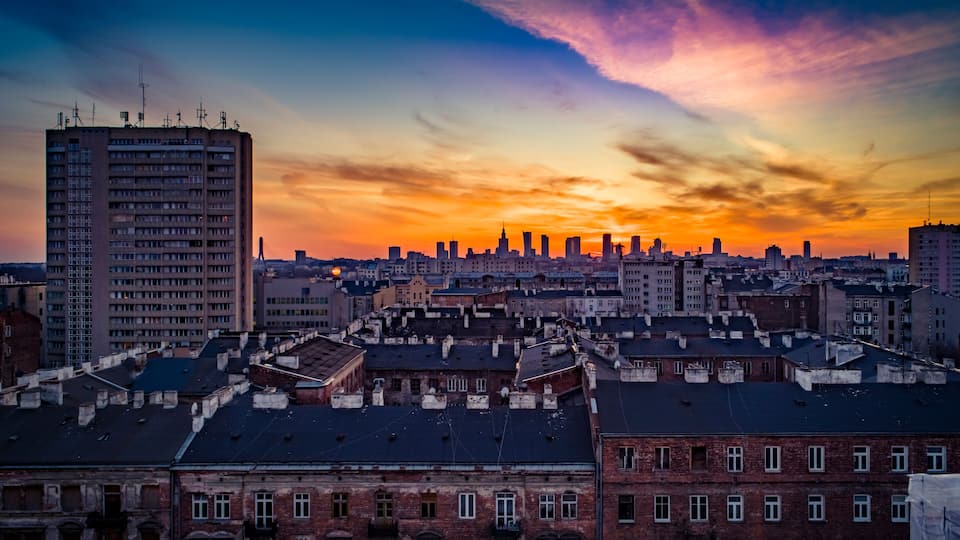
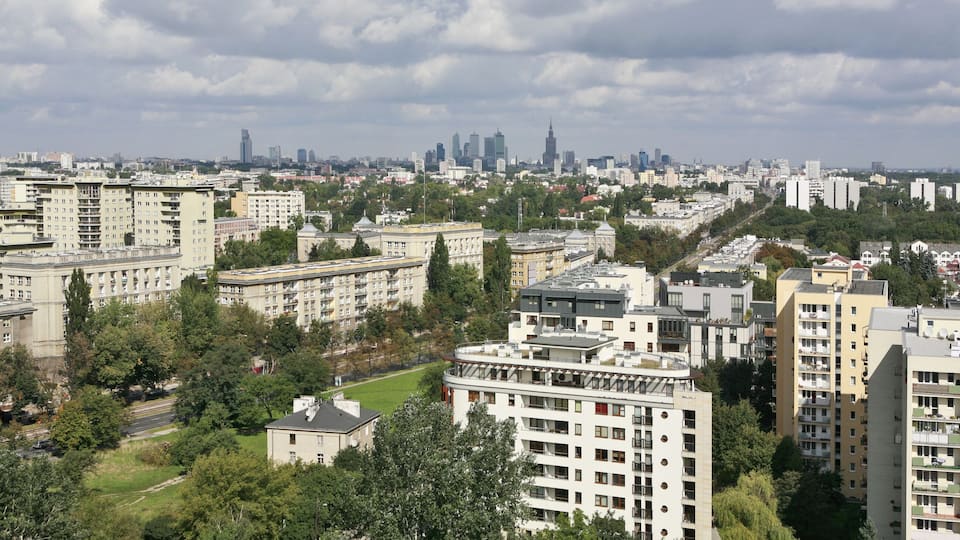
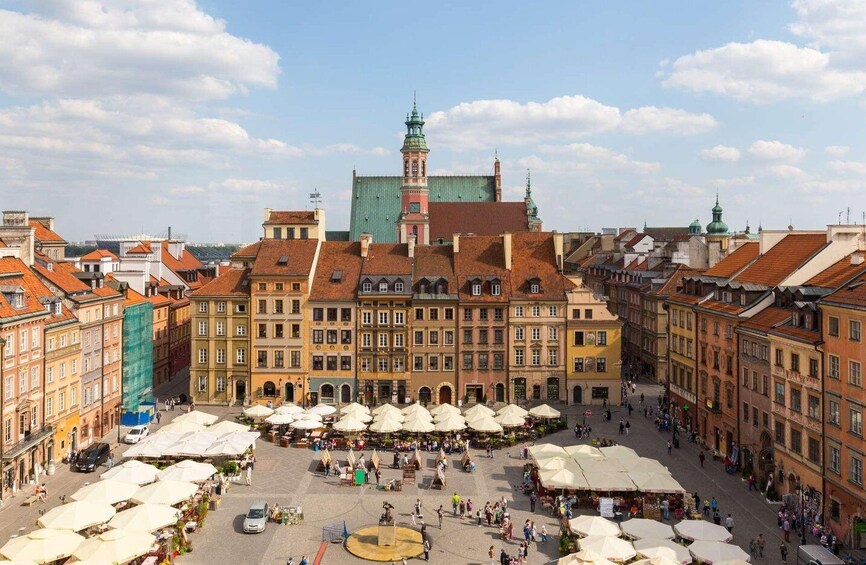
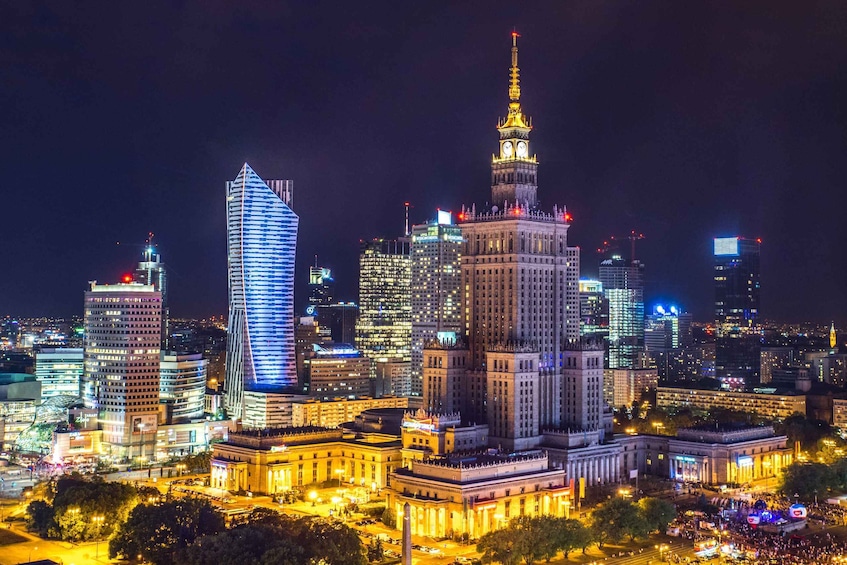
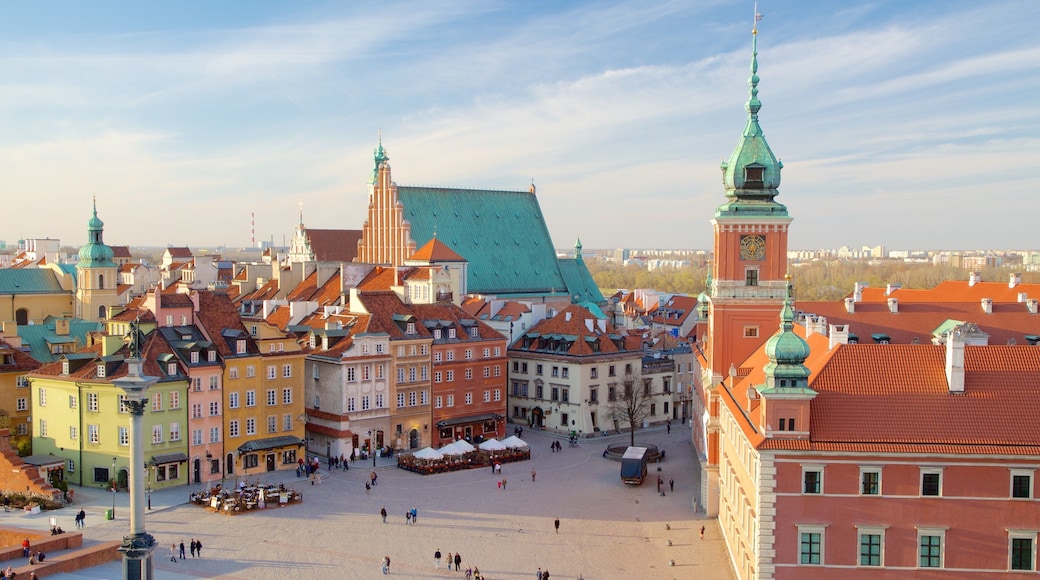
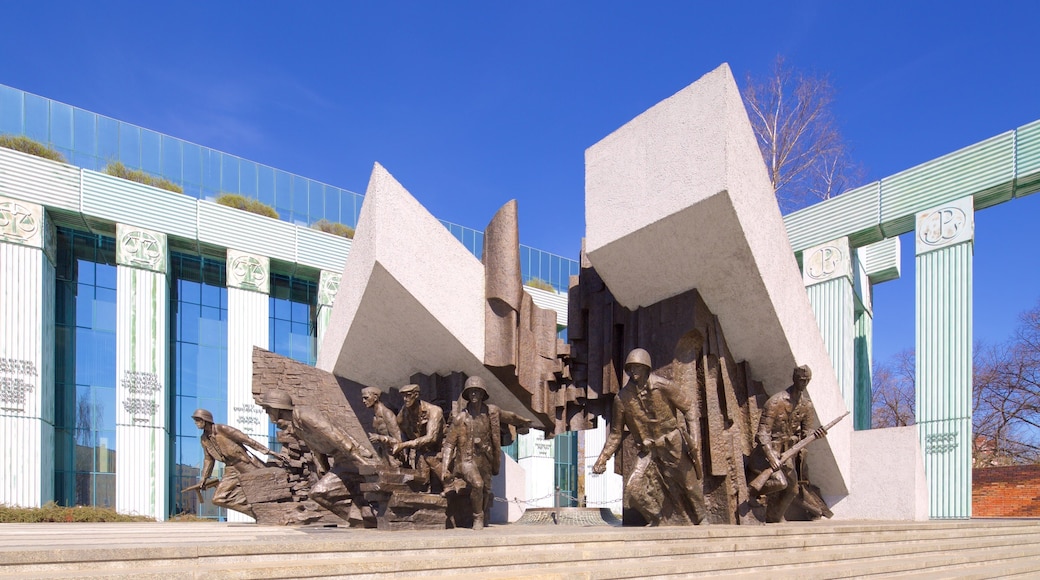
Warsaw was almost completely destroyed during World War II. The Old Town was painstakingly rebuilt and later became an internationally recognised World Heritage Site. Gothic and renaissance architecture sits alongside concrete Soviet-era buildings and modern glass skyscrapers. The city's progressive cultural scene is as varied as the capital’s architecture. Visit war memorials and classical art galleries, or seek out underground theatre groups and avant-garde cinemas.
Take a walking tour of the city, starting in the Old Town. Here, you’ll find many of Warsaw’s main attractions, including the Royal Castle, King Zygmunt’s Column and the Barbican, which is a relic of the walls that once surrounded the city.
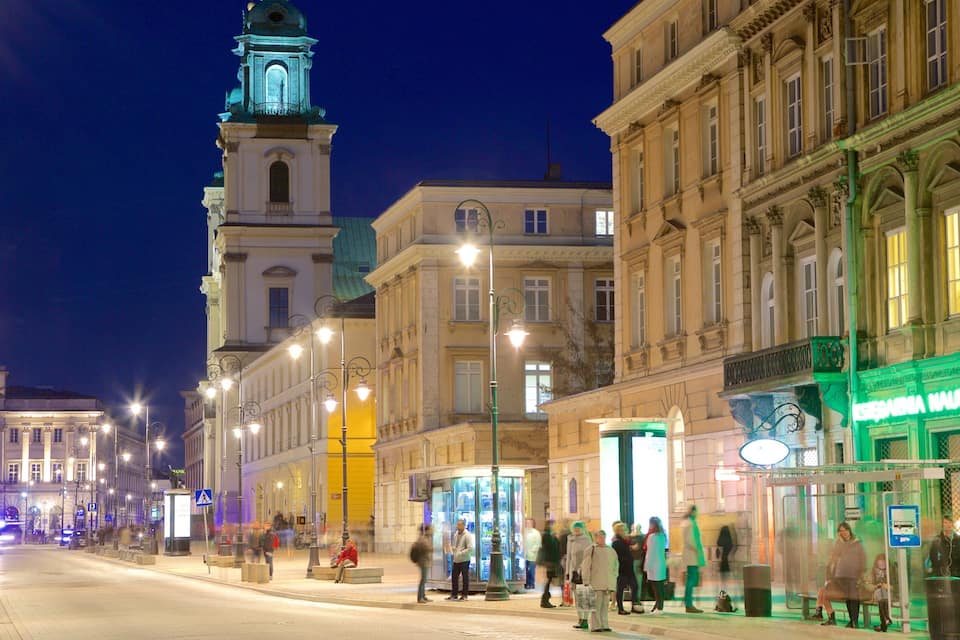
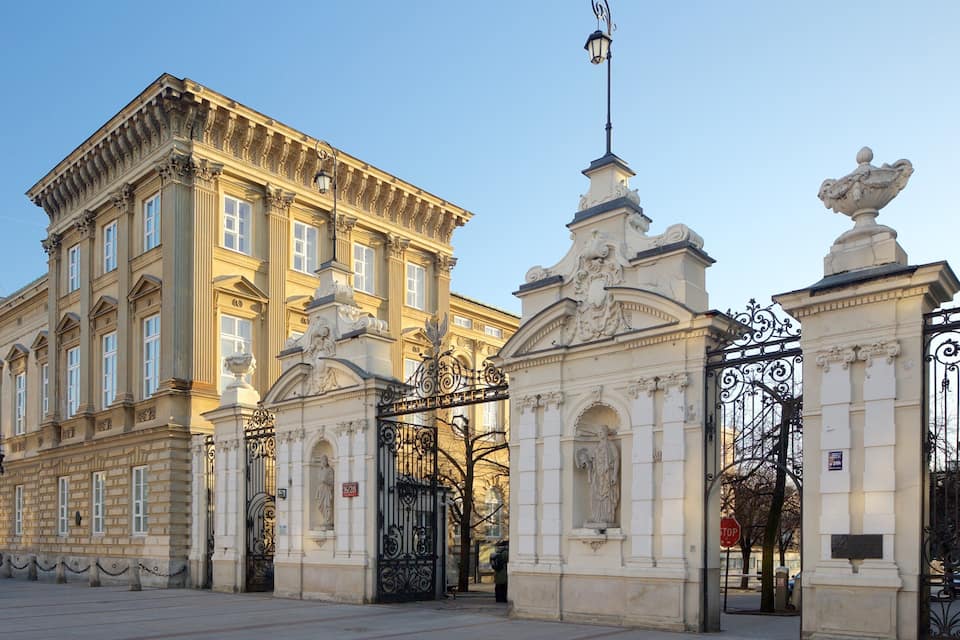
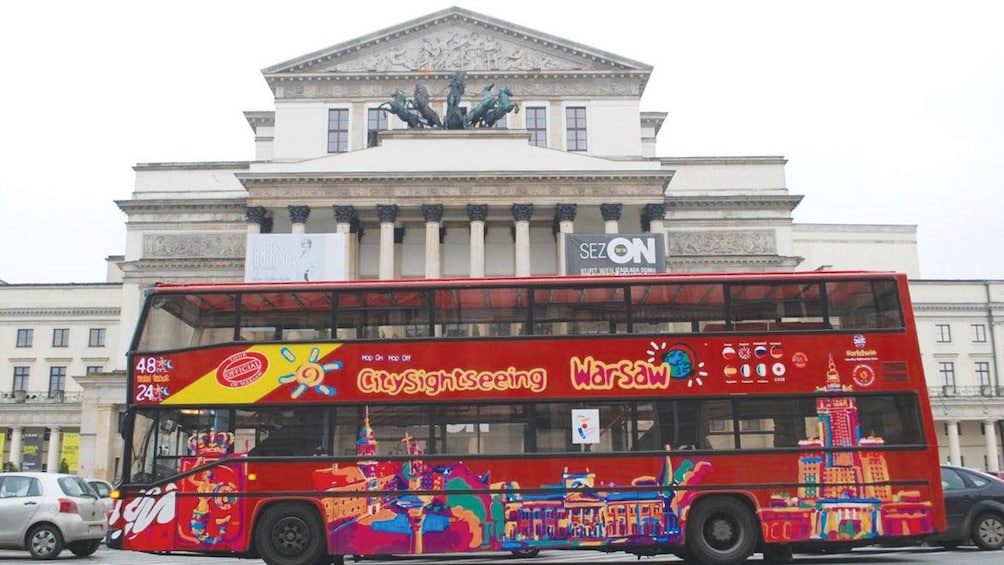
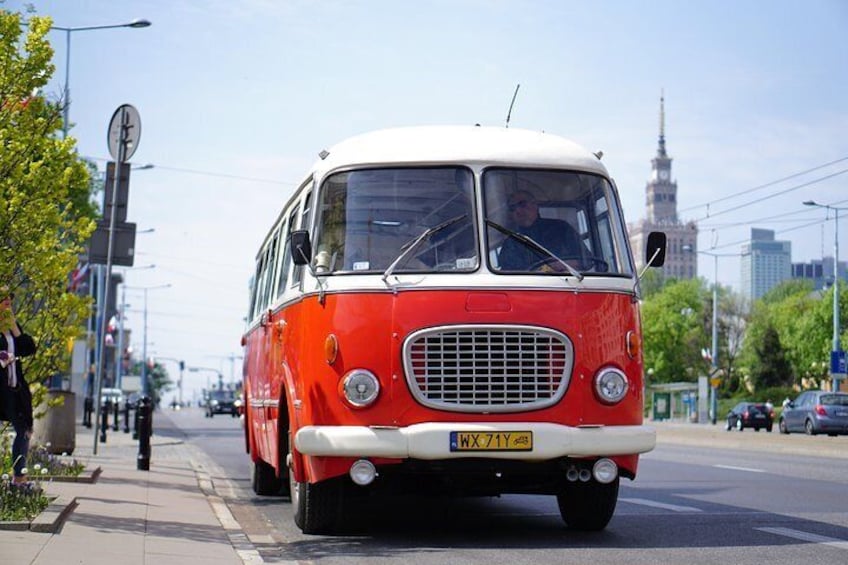
Walk or catch a bus along the Royal Route, a path that connects the Royal Castle with the Wilanow Palace. The route is about 6 miles (10 kilometres) and encompasses a number of churches, the Presidential Palace and Warsaw University, among other attractions.
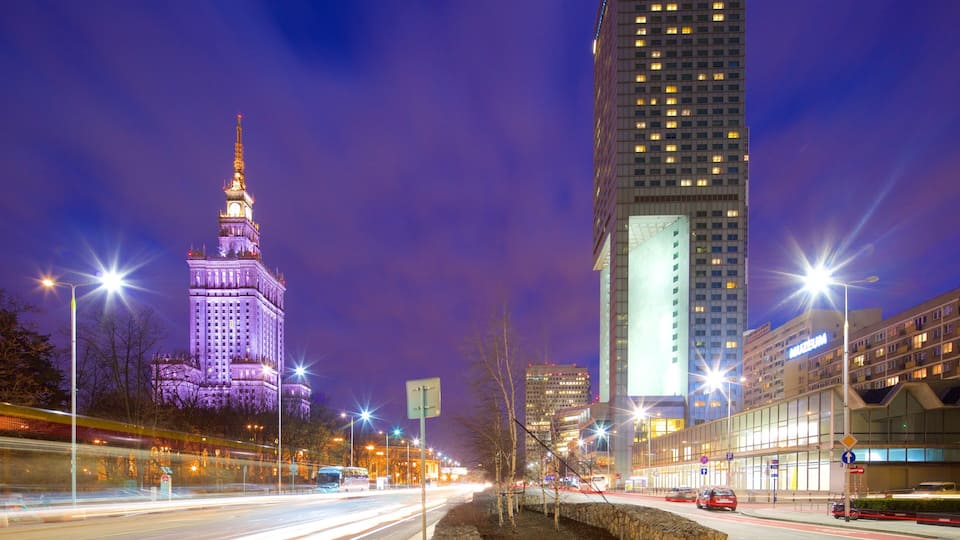
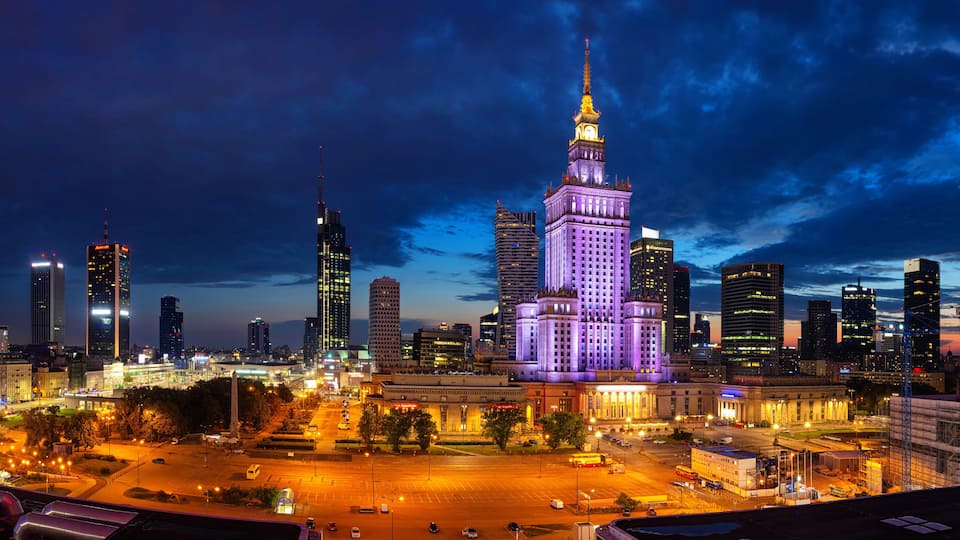
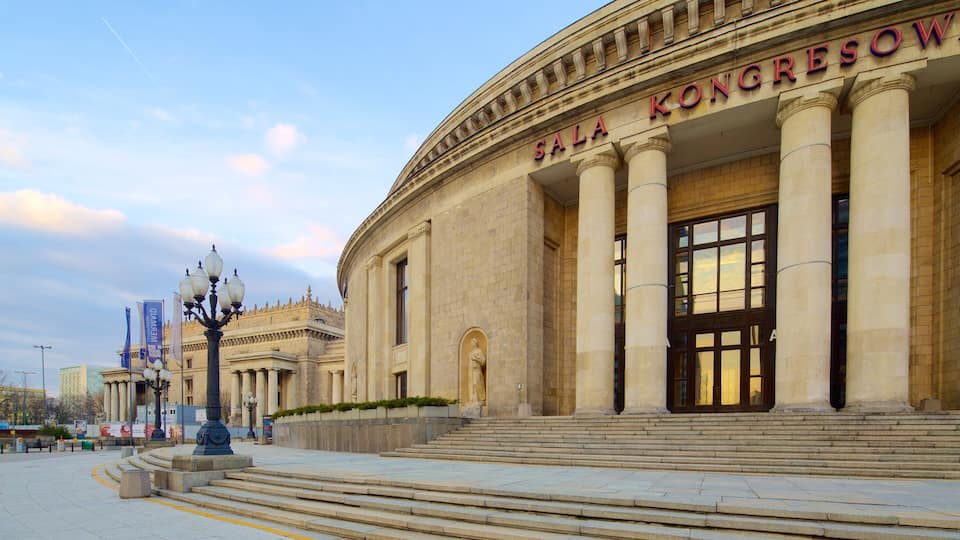
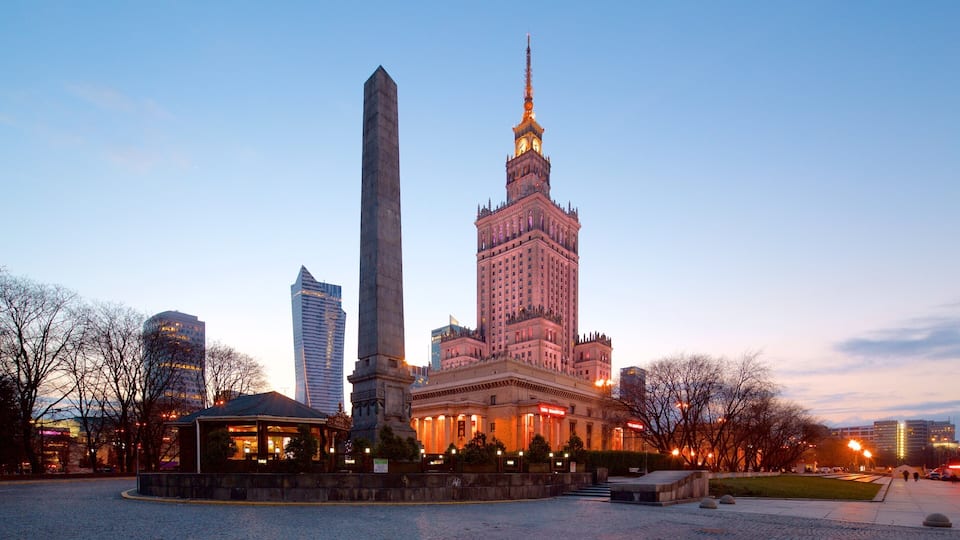
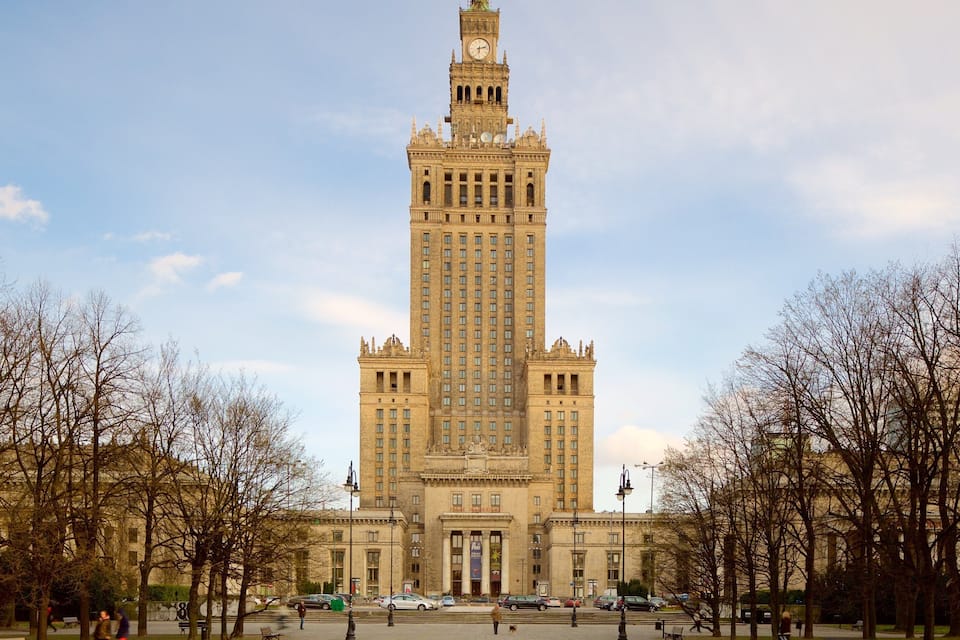
The Palace of Culture and Science is one of many examples of socialist realist architecture you’ll find in Warsaw. Its clock tower is visible from almost anywhere in the city. Ride the elevator to the terrace on the 30th floor for views of the city and the Vistula River.
Warsaw is known for its public green spaces the city has more than 80 parks. The oldest park is the Saxon Garden, a 10-minute walk from the Old Town. The former royal garden has avenues of trees and the Tomb of the Unknown Soldier, a monument to soldiers killed in war. Visit the Warsaw Zoo, which houses more than 5,000 animals across 99 acres (40 hectares) of parkland.
Chopin was one of the most prominent Warsaw residents and signs of the composer are everywhere, from monuments and street names in his honour, to a museum.
The best time to visit Warsaw is May through September, when locals make the most of the warm weather in parks and outdoor restaurants. Get around the city by bus, tram or train. Or, rent a bike using the city’s bicycle sharing system and cycle along the river.