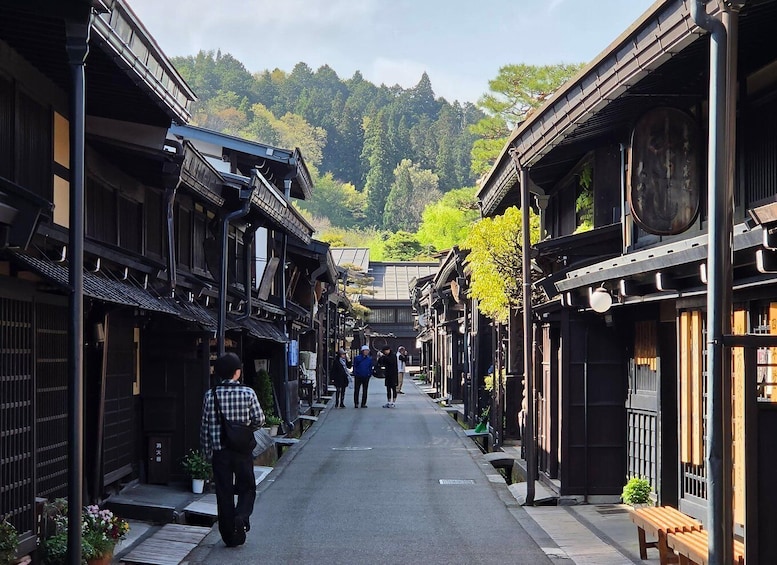
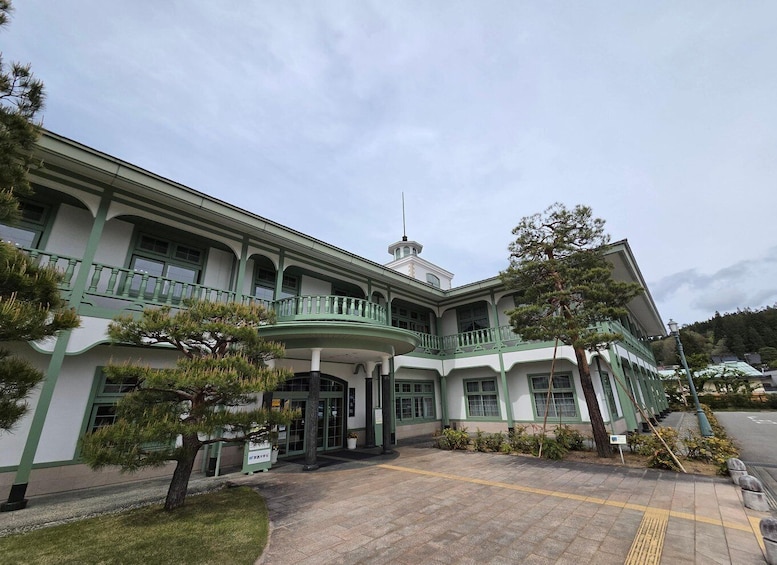
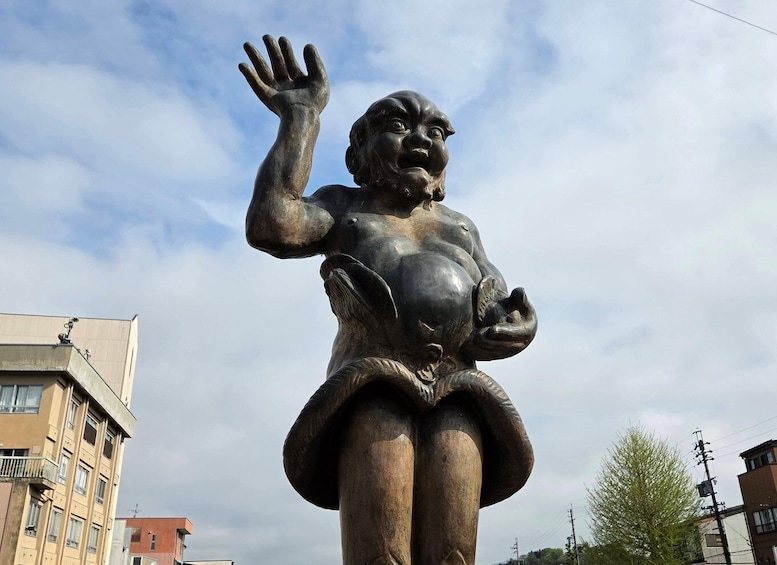
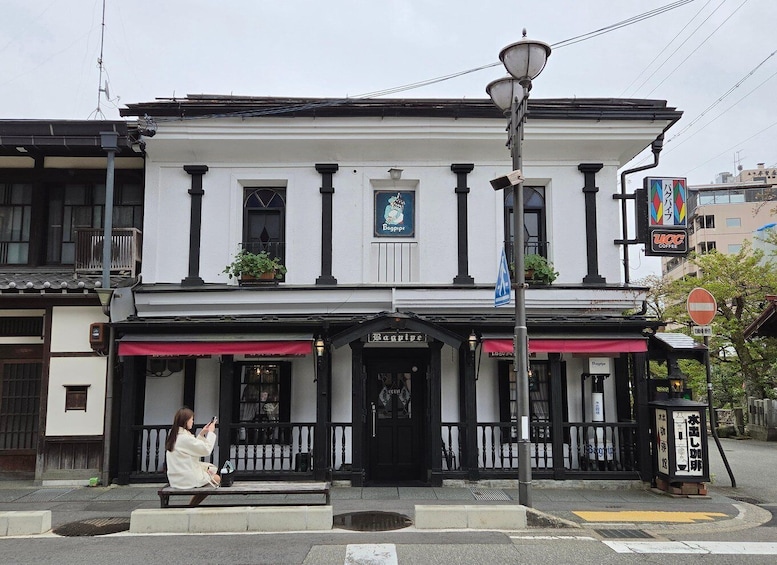
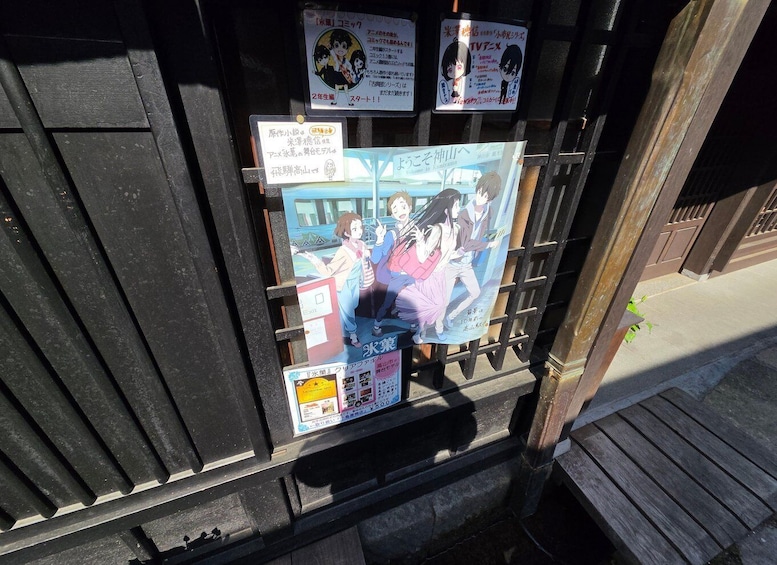
Step into the world of Hyouka on a private anime location walking tour through Hida Takayama, the historic town that inspired many real-life settings in the series. Meet your English-speaking guide in front of the Nakabashi Tourist Information Centre, then begin with a short introduction to the tour and the connection between Hyouka and Takayama. At the tourist information centre, receive a Hyouka × Hida Takayama location map and learn about Takayama’s recognition as one of Japan’s official anime pilgrimage destinations. With the map in hand, walk towards the Kajibashi Bridge area and search for places that appeared in memorable anime cuts, including Kajibashi Bridge, the Tenaga and Ashinaga statues, Honmachi Shopping Street, the maneki-neko statue, and nearby street scenes. Continue across Kajibashi Bridge to Miyagawa Morning Market Street, where you can imagine the opening sequence and take photos inspired by the anime. Next, walk to Takayama City Library “Kanshōkan,” a distinctive building that appears in Episode 18, and explore both the exterior and interior areas connected to the storey. From there, continue to Hie Shrine, the model for an important shrine setting in Episode 20, while also learning about its relationship with Takayama’s town culture and spring festival traditions. After visiting the shrine, walk back towards the old town area of Kamisannomachi, where your guide will introduce the atmosphere of Takayama’s traditional streets. Then enjoy a café stop at either Café Katsute or Bagpipe, both associated with scenes from Hyouka. Relax with an included drink and experience the kind of quiet old-town atmosphere that makes Takayama such a memorable anime setting. Finally, walk to Marutto Plaza and visit the Hyouka exchange corner before the tour ends in central Takayama. This private walking tour is ideal for anime fans who want to compare scenes with real locations, as well as travellers who want to discover Takayama through a pop-culture lens while still enjoying its historic streets, shrines, market areas, and café culture.