“The first exciting stop is usually in the waters off Figarolo Islet. This area is famous for the permanent presence of a large colony of bottlenose dolphins. Sightings are frequent, especially near the local fish farm, where these beautiful cetaceans love to swim and play in the waves in search of food. In addition to dolphins, looking up at the steep cliffs of Figarolo, you can spot wild mouflons nimbly climbing the rock, as well as buzzards and, sometimes, the rare peregrine falcon.
Cala Moresca: A Dip into the Past
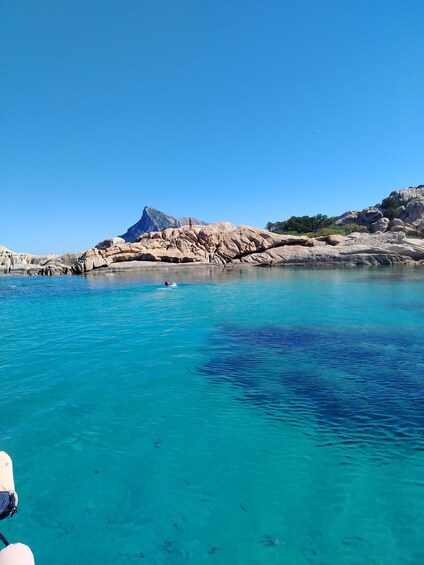
Continuing along the coast, you reach the picturesque bay of Cala Moresca. Featuring two small beaches of golden sand separated by rocks, the cove is surrounded by a dense pine forest and Mediterranean scrub. The name itself evokes ancient legends of raids by Saracen pirates (the “Mori”) who used this sheltered inlet as a hideout.
Industrial Archaeology: Just a few steps from the shore, you can see the remains of an ancient lime kiln, a testament to the area's productive past.
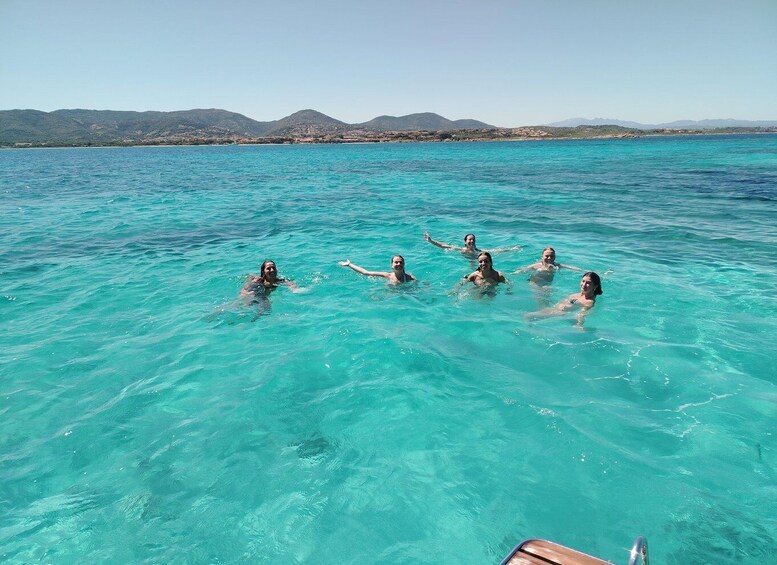
Snorkelling and Relaxation: The crystal-clear waters, which range from emerald green to deep blue, offer a seabed rich in marine life, ideal for unforgettable snorkelling sessions among colourful fish and Posidonia meadows.”
“The Charm of Figarolo Island
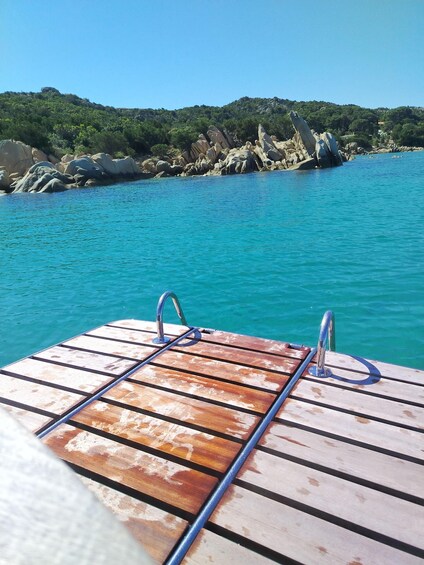
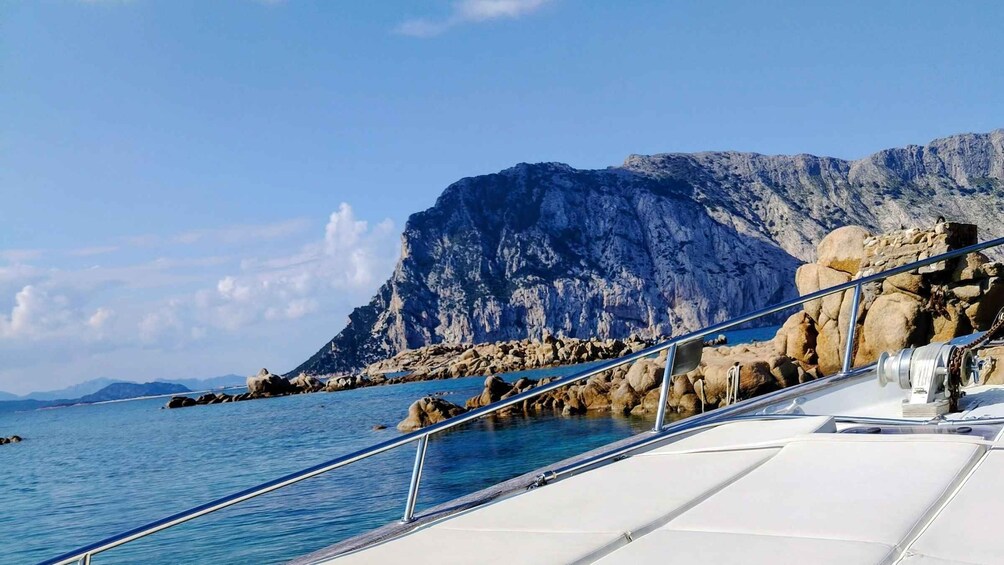
The island of Figarolo, with its distinctive pyramid shape, is a true paradise for those seeking tranquility. Accessible only by sea, it offers small unspoiled coves where you can stop for a regenerating swim. For those who love the history of science, the Capo Figari promontory overlooking the island is home to the Figari Semaphore: here, on August 11, 1932, Guglielmo Marconi carried out the historic experiment of sending shortwave signals, paving the way for modern wireless communications.”