If you’re searching for an exciting holiday, count on Expedia.com.au to help you find interesting attractions, enlightening experiences, and tons of other fun things to do in Tegalrejo AU$2. From first-rate tours to incredible deals on sightseeing trips – our extensive selection of local things to do and places to visit is just a few clicks away.
It doesn’t matter whether you’re travelling alone, alongside your main squeeze, or with your favourite friends or family members, Expedia has the inside scoop on what to see and do while in this corner of the world. And our search tool makes it simple to score the best deals around. So regardless of if you are on a tight budget or prefer to spare no expense, you’ll find exactly what you’re looking for by browsing over 262 activities in Tegalrejo, Yogyakarta.
The intuitive booking system here on Expedia.com.au makes planning your holiday easier—and more affordable—than ever before. And not only can you discover all the best Tegalrejo attractions from AU$2, but you can also book flights, hire cars, and reserve hotel rooms all in just a few moments. A world of wonder awaits you and your travelling companions. Count on Expedia.com.au to help you plan the holiday of your dreams, and you’ll have the time of your life.
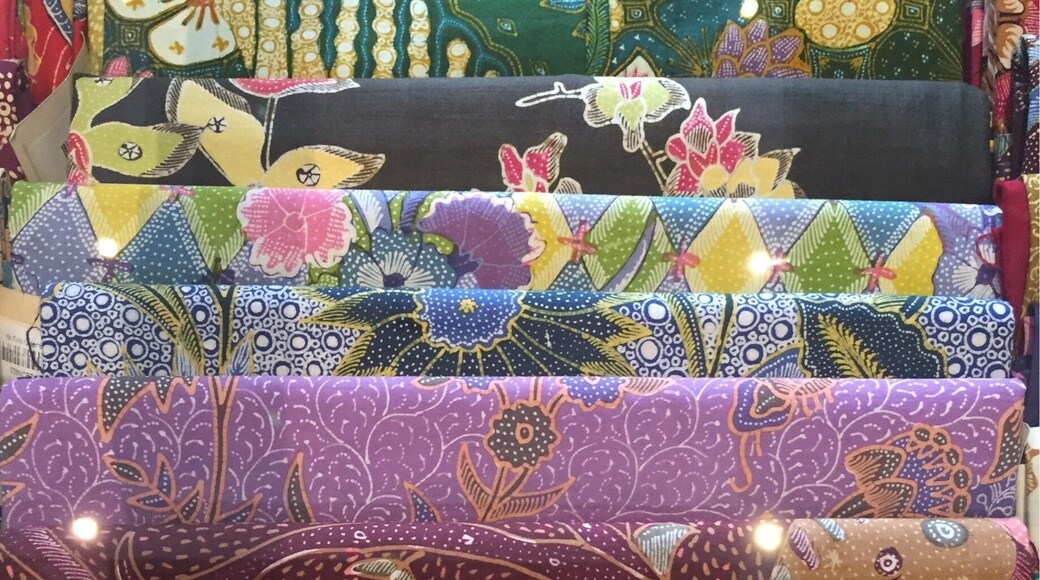
![Batik (Javanese pronunciation: [ˈbateʔ]; Indonesian: [ˈbatɪk]) is a technique of wax-resist dyeing applied to whole cloth, or cloth made using this technique. Batik is made either by drawing dots and lines of the resist with a spouted tool called a canting (IPA: [ʈ͡ʂantiŋ], also spelled tjanting), or by printing the resist with a copper stamp called a cap (IPA: [ʈ͡ʂap], also spelled tjap). The applied wax resists dyes and therefore allows the artisan to color selectively by soaking the cloth in one color, removing the wax with boiling water, and repeating if multiple colors are desired.
A tradition of making batik is found in various countries, including Nigeria, China, India, Malaysia, Philippines and Sri Lanka; the batik of Indonesia, however, is the most well-known. Indonesian batik made in the island of Java has a long history of acculturation, with diverse patterns influenced by a variety of cultures, and is the most developed in terms of pattern, technique, and the quality of workmanship. On October 2009, UNESCO designated Indonesian batik as a Masterpiece of Oral and Intangible Heritage of Humanity.
Source: Wikipedia
These batik clothes are sold at one of the high end hotel's gift shop in Yogyakarta. They are hand drawn and painted and hence command a high price! It ranges over US$200 although some cheap batik at the market can be found for a mere US$2. The difference lies in the quality, the design and also the amount of skill that's needed to make them.
Common batik wear are made from cotton. The ones shown here are silk and limited in quantity produced.
Yogyakarta and Surakata (Solo) are two cities where batik originated in Indonesia.
#unesco](https://images.trvl-media.com/place/1718/09cd56ac-2be9-4518-ac77-e217d037b46b.jpg?impolicy=fcrop&w=1040&h=580&q=mediumHigh)