

America's “Ancient City” is famous for its historic streets and colonial-era monuments as well as its beaches, wildlife and water sports.
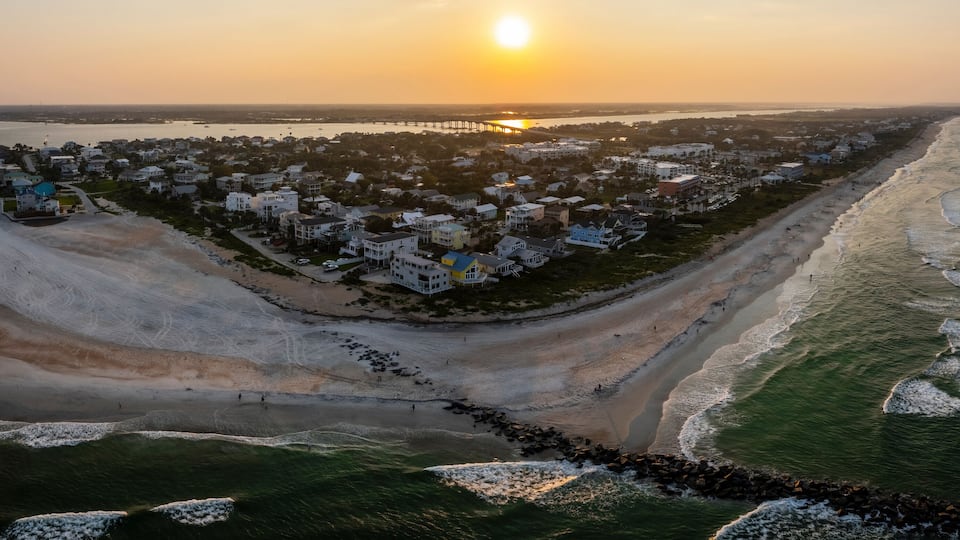
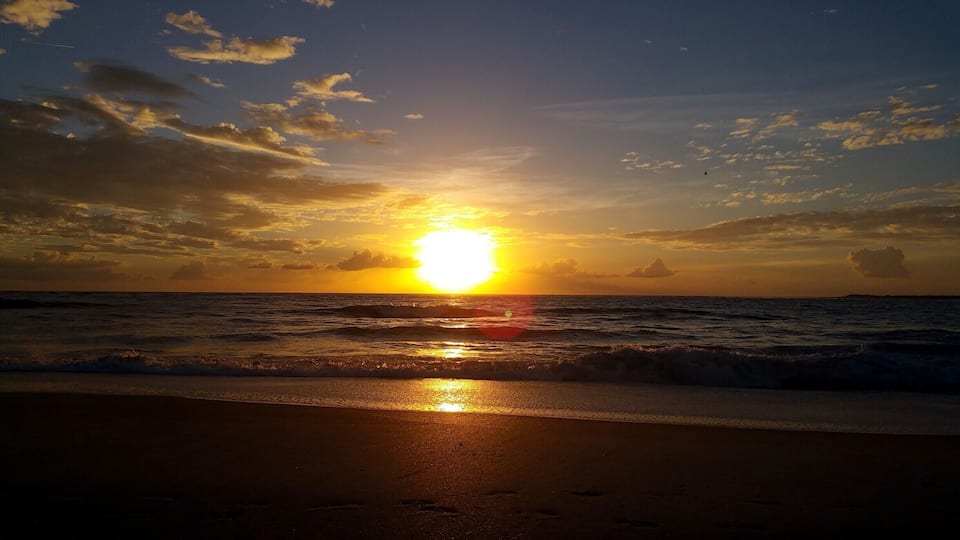
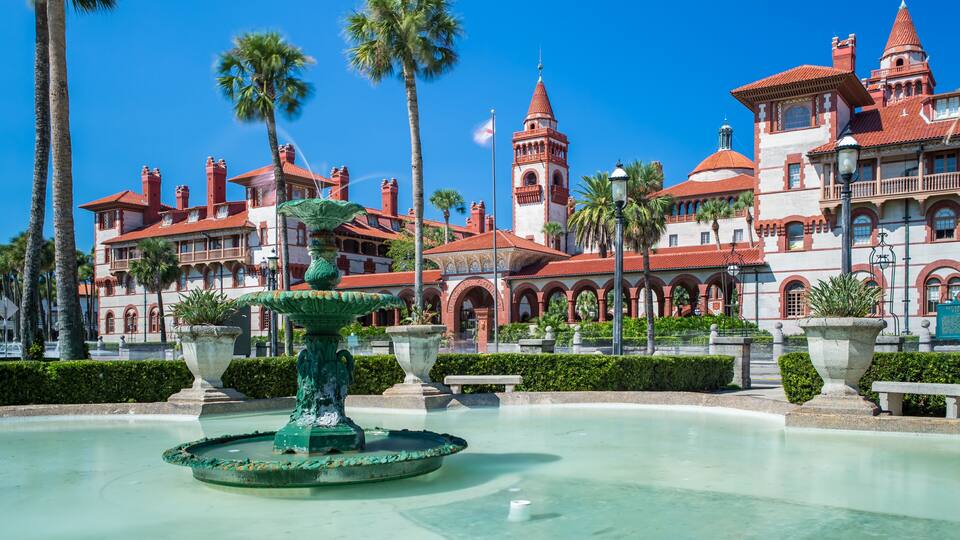
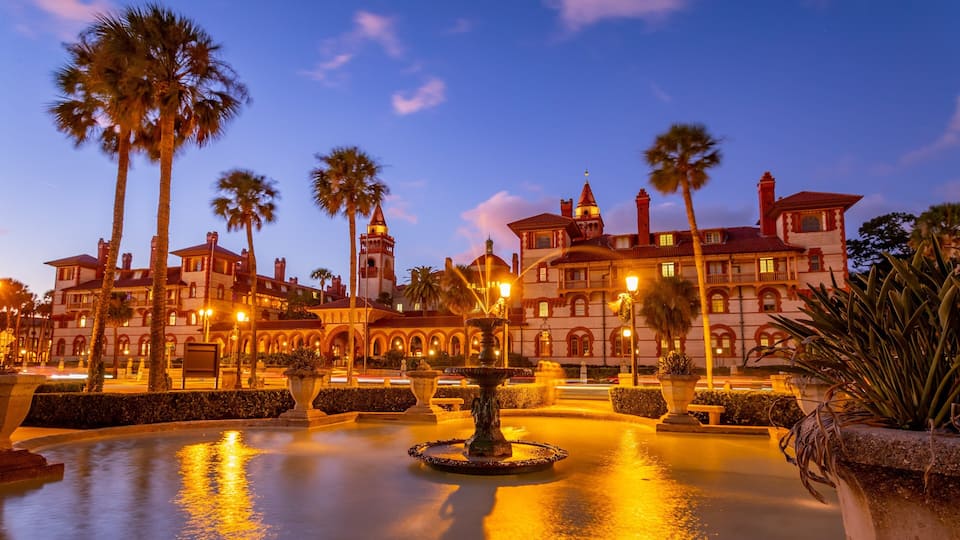
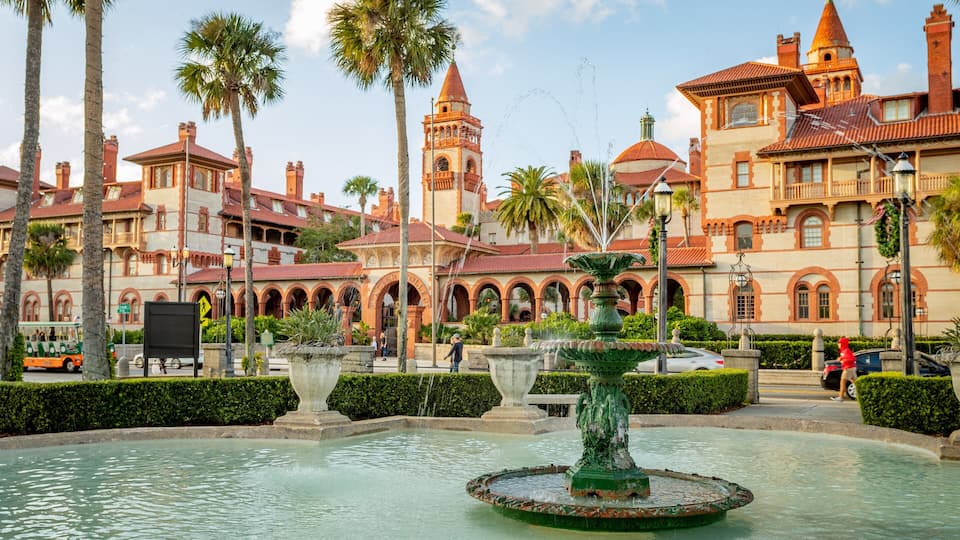
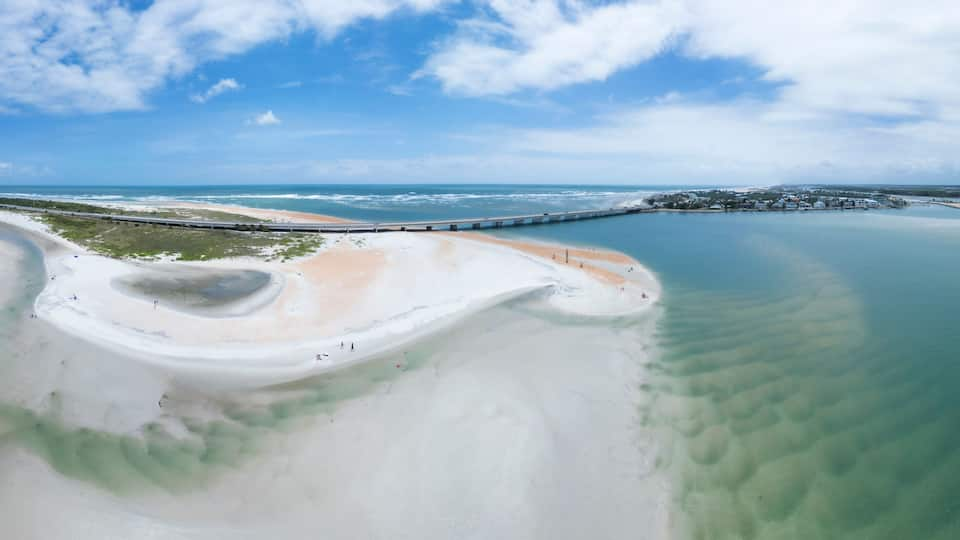
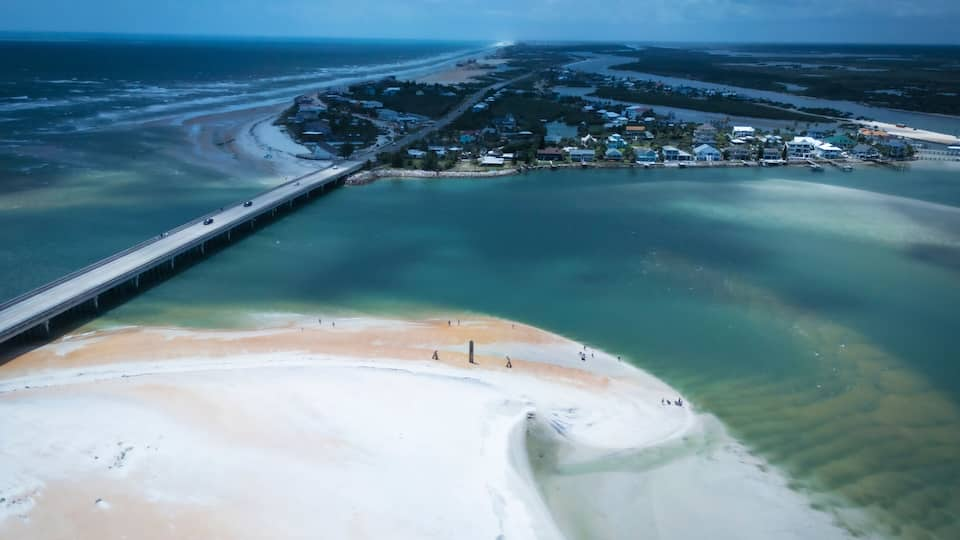
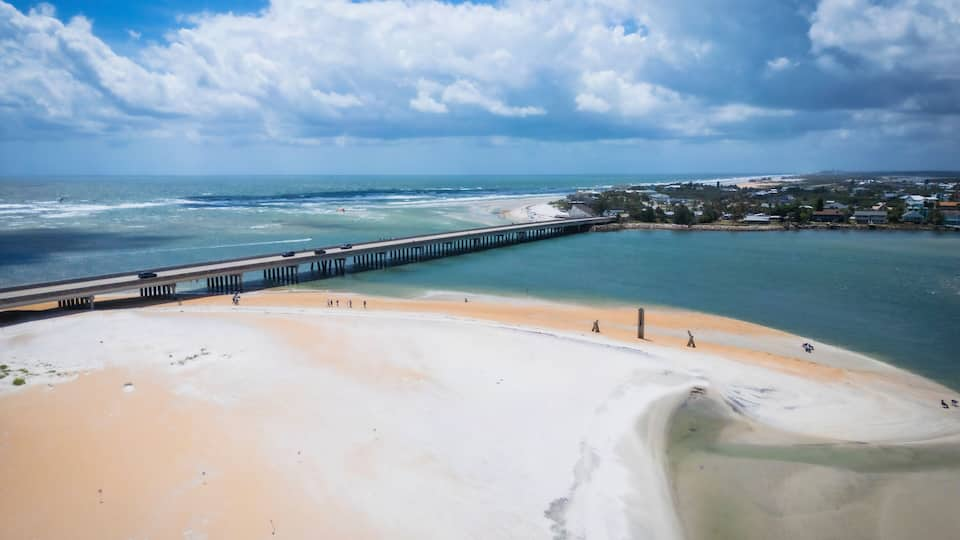
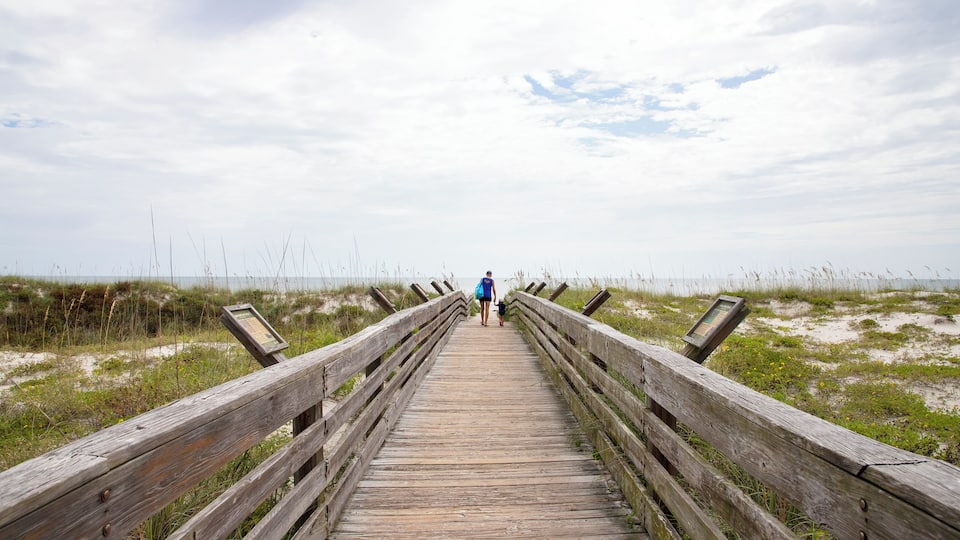
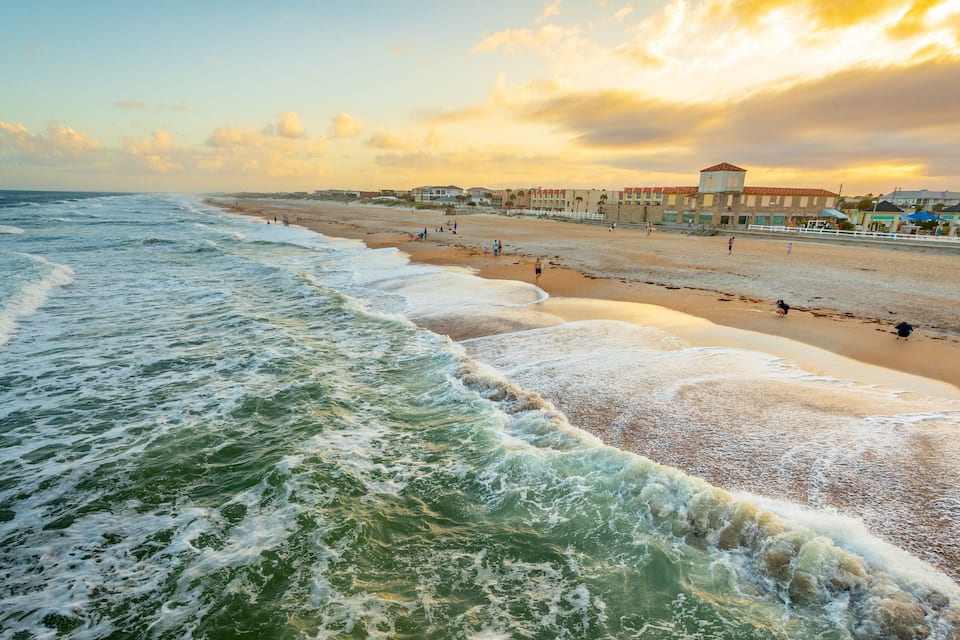
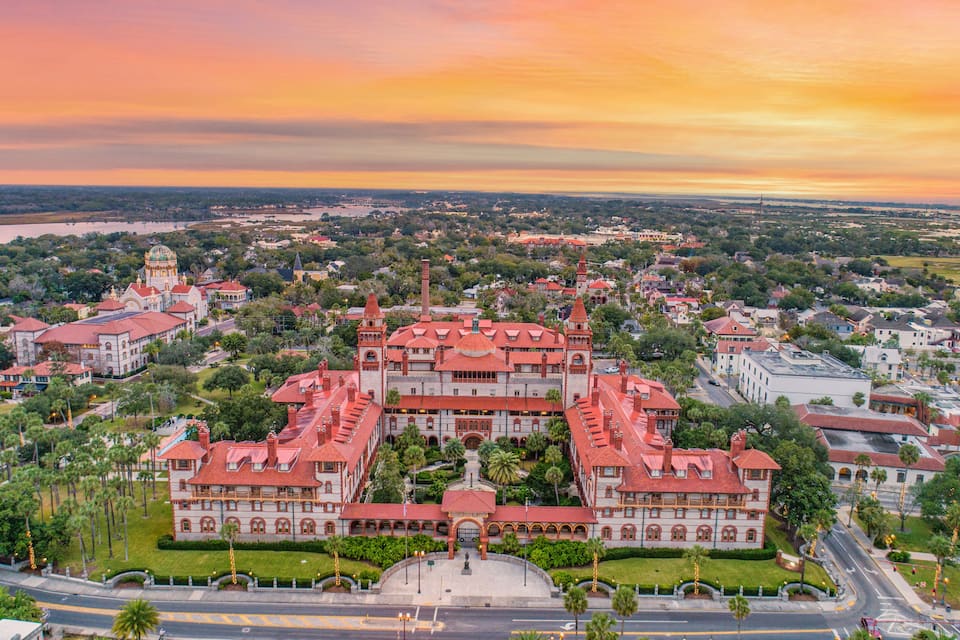
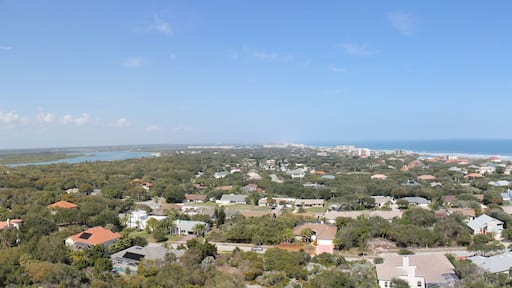
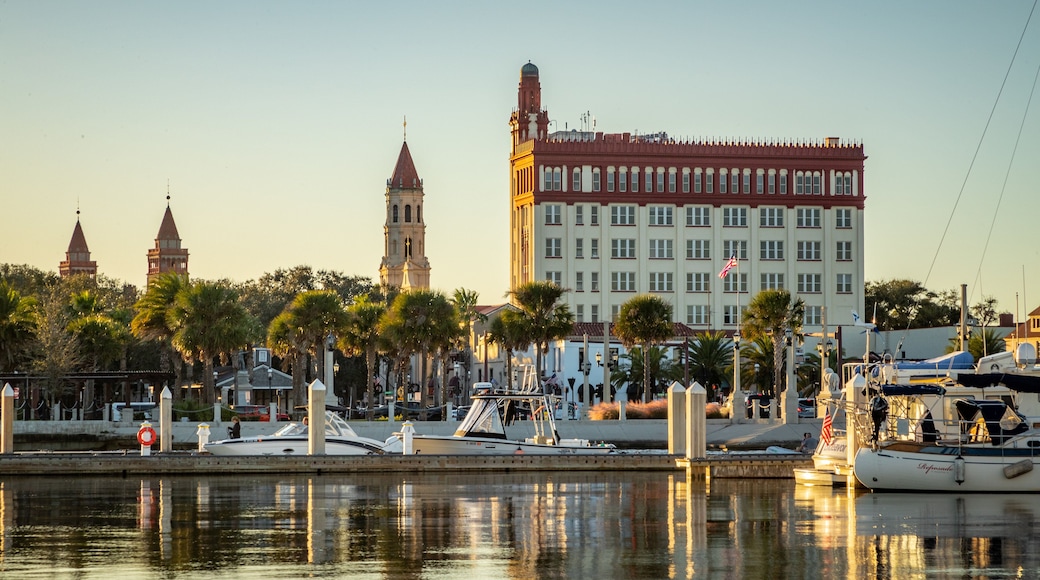
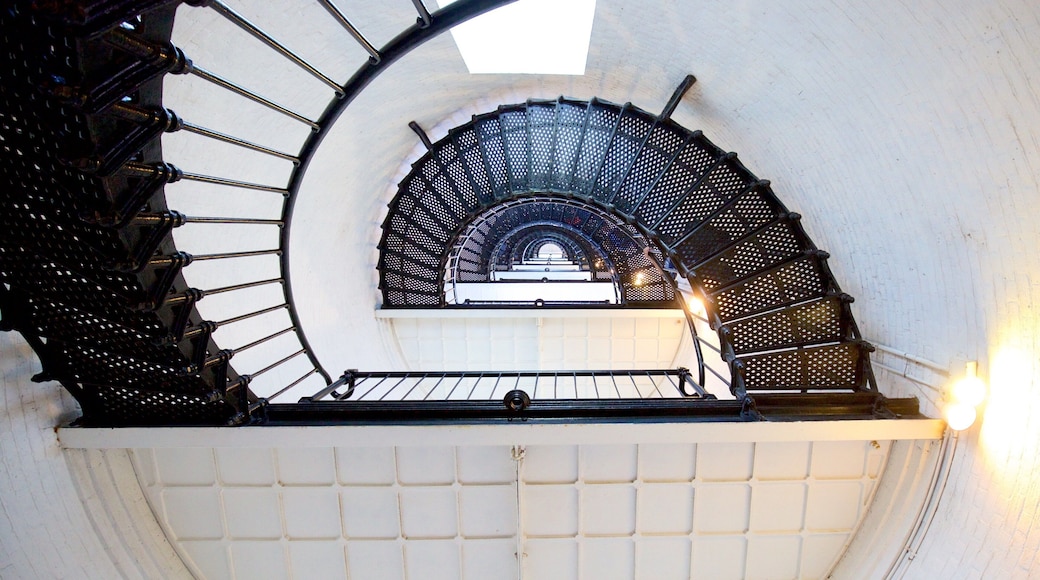
St. Augustine is the oldest European settlement on the U.S. mainland, hence its nickname the “Ancient City.” It was founded by the Spanish explorer Pedro Menéndez de Avilés, all the way back in 1565 and has been plundered and conquered several times. Visit the sunny Florida city to discover influences from the Spanish, English, Greeks, Africans and Native Americans. Find traces of nearly five centuries worth of history in St. George Street alone. Admire the Spanish-style buildings, the Oldest Store museum and horse-drawn carts travelling along cobblestone streets. Visit the 1740s-themed Colonial Spanish Quarter, a living museum. Stop for a break in one of the old taverns some have dining by candlelight only. St. Augustine’s many 19th-century buildings still display the splendour of the “Gilded Age.” Don’t miss the chance to visit Castillo de San Marcos: The oldest standing European fort in continental America. Book a scenic cruise from the Municipal Marina to see the fort from the water and get pictures of the old lighthouse. While you’re at Castillo de San Marcos, take the kids to the Pirate and Treasure Museum to see artefacts such as treasure chests, maps and flags.St. Augustine has barrier islands accessible via two bridges: Francis and Mary Usina Bridge in the north, and the Bridge of Lions in the south. Head south to Anastasia Island to enjoy the white sand of St. Augustine Beach. Stop by St. John’s County Pier when you visit Anastasia State Park with its bird sanctuary, beaches, nature trails, picnic areas and camping grounds. The quieter northern barrier island has Vilano Beach. Come here for beachfront restaurants and fishing excursions.In St. Augustine most attractions are within walking distance of the city centre. Join a narrated hop-on, hop-off trolley tour for a faster, and affordable, way to see more of the city and learn the history. It’s best to rent a car if you plan to visit the barrier islands.