Angles-sur-lʼAnglin Travel Guide

Tourist Guide
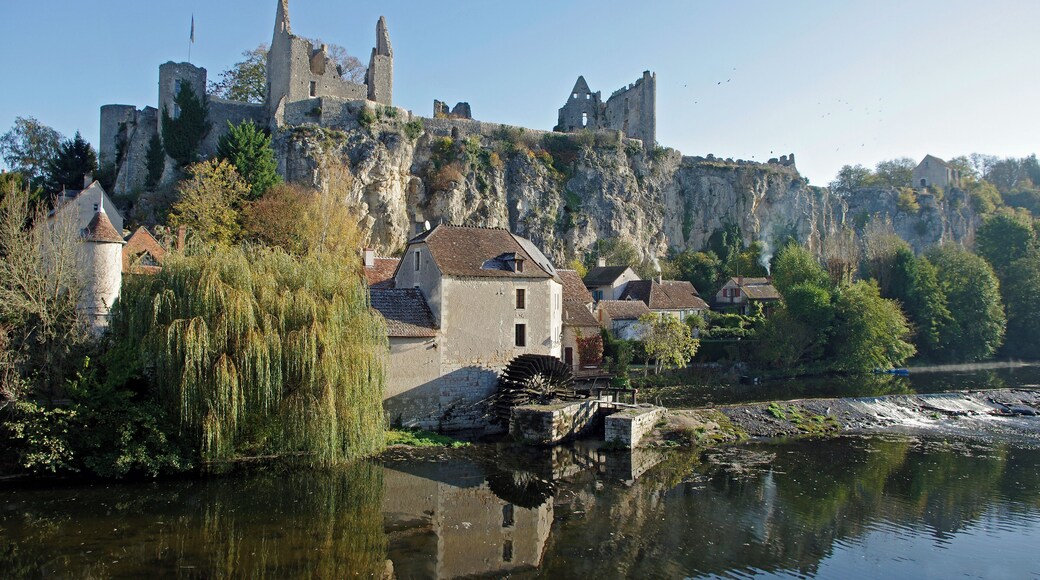
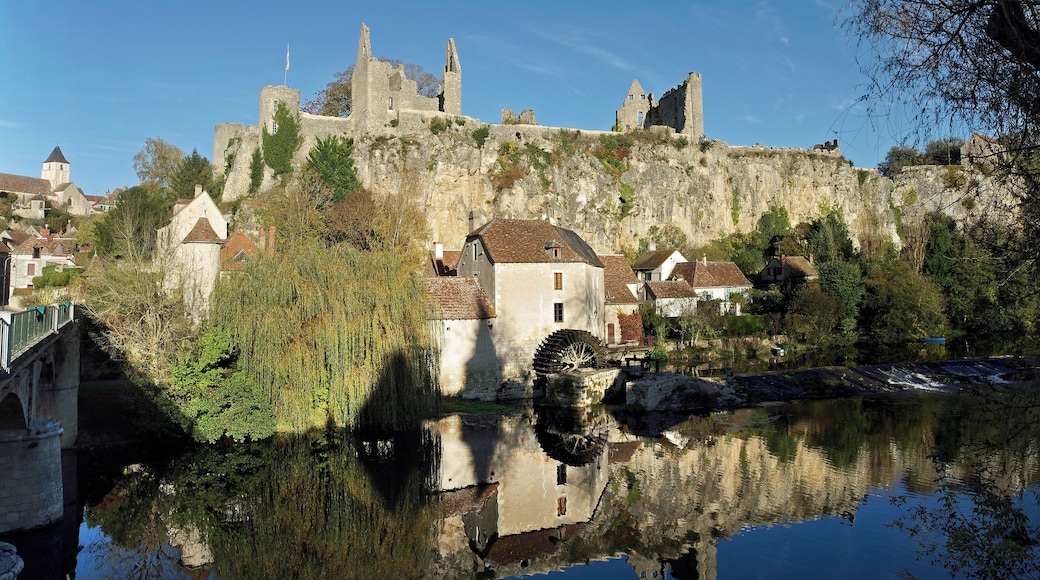
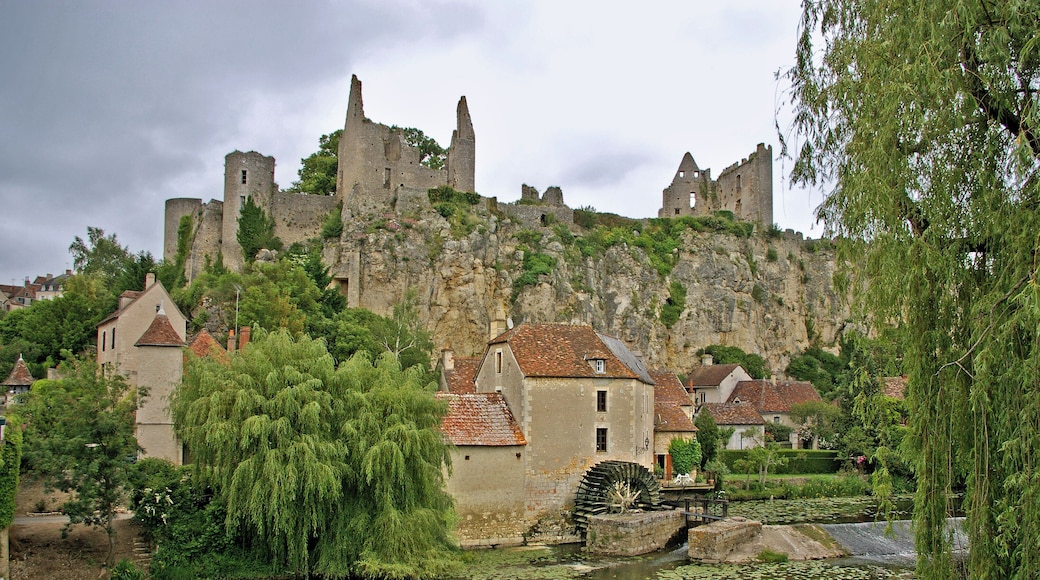
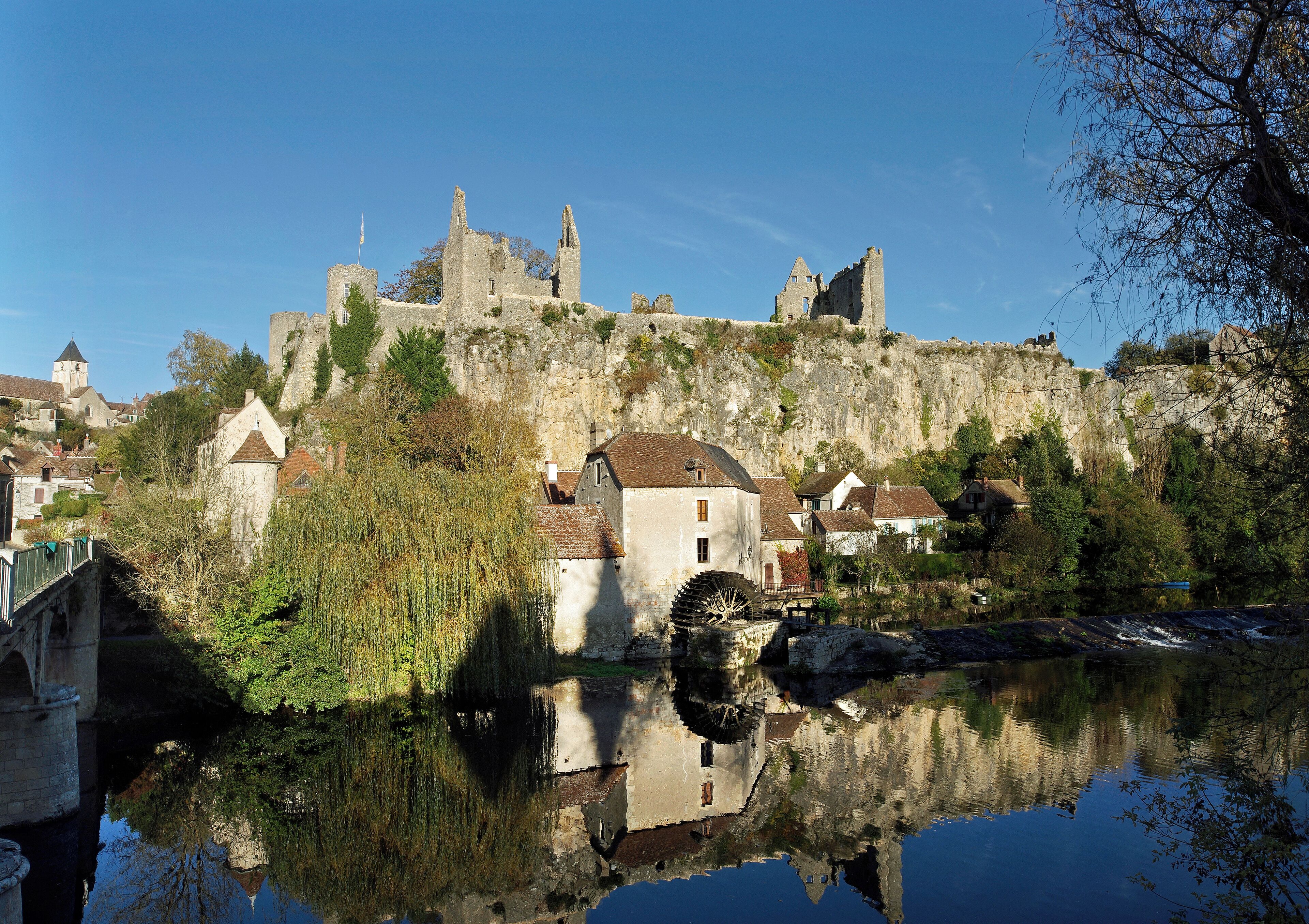
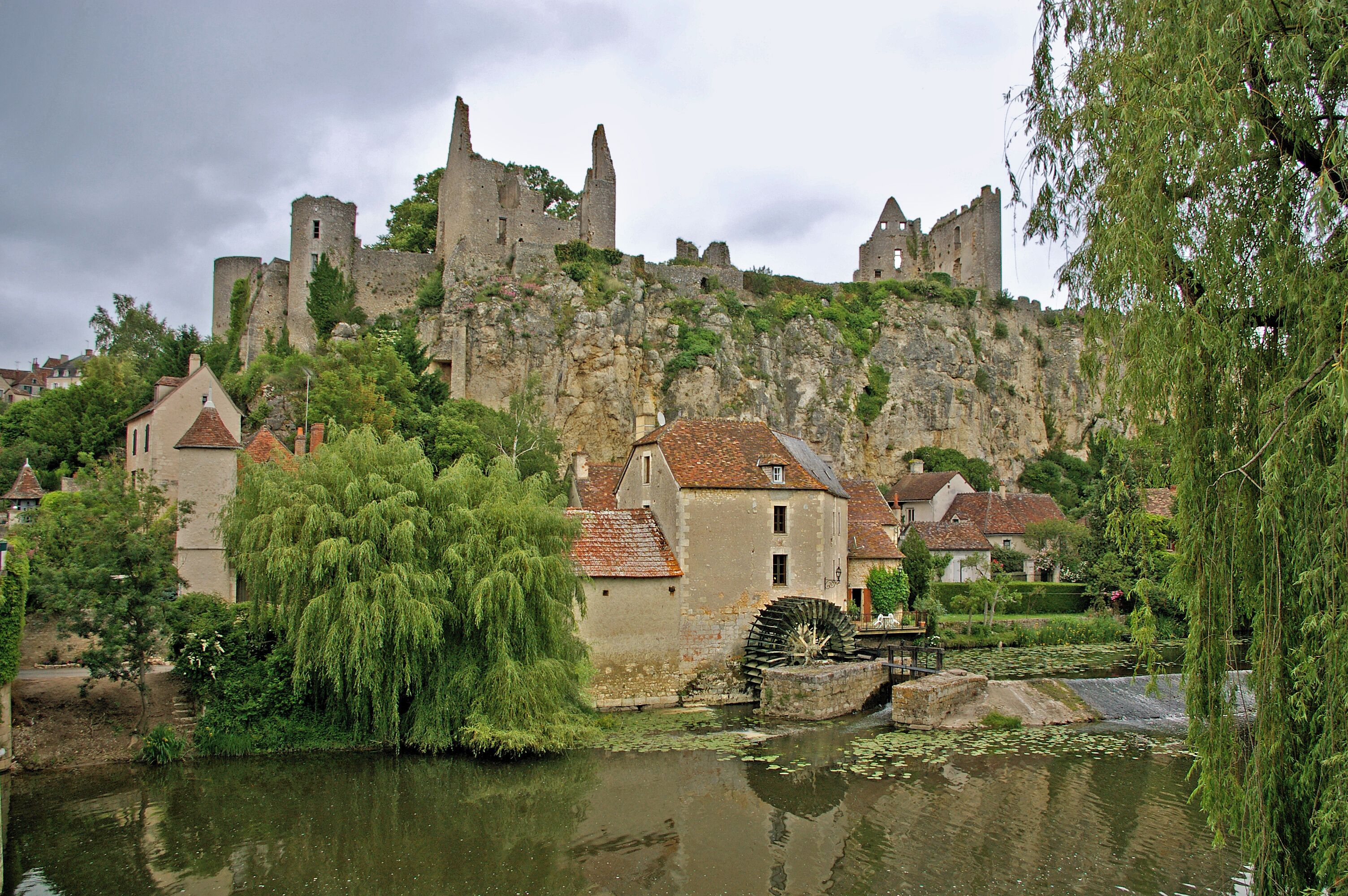
Angles-sur-l'Anglin (Vienne). Le moulin situé au pied de la forteresse était en fait le moulin de l’abbaye réservé à l’usage des moines et des habitants de Sainte-Croix. A la Révolution, il fut vendu aux enchères comme bien du Clergé. Il eut plusieurs propriétaires et plusieurs fonctions : scierie, meule à grain… Il cessa toute activité vers 1968. Le château a été construit vers 1025 par Gilbert, évêque de Poitiers. Au début du XIIème siècle, il est la possession de la famille des Lusignan Au XIIIème, les Lusignan revendent le château à Gauthier de Bruges, évêque de Poitiers. Guichard d’Angle, né au château, participe à la bataille de Maupertuis en 1356. Par le traité de Brétigny, en 1360, il cède la forteresse aux Anglais. Elle est reprise par Du Guesclin en 1372. Au début du XVème, deux évêques remanient la forteresse. Hugues de Combarel fait édifier un logis d’habitation qui évoque déjà la Renaissance. Guillaume Gouges de Charpaigne poursuit son œuvre. A la fin du XVème siècle, Pierre d’Amboise fait construire la résidence épiscopale de Dissay qui est préférée à la châtellenie d’Angles. Pendant les guerres de religion, les protestants, avec Coligny, pillent le château et l'abbaye Sainte-Croix avant d’être battus à Moncontour. 50 ans plus tard, les partisans de la Fronde prennent la forteresse qui est reconquise en 1652 par le duc de Roannez, gouverneur du Poitou. En 1708, le parlement de Paris exempte les évêques de Poitiers de leur devoir d’entretien. En 1792, la forteresse, en ruine, est confisquée et la commune décide de l’utiliser comme carrière de pierres. Au XIXème siècle, elle est transformée en parcelles cultivables. En 1882, le château est acheté par le baron de Puynode, propriétaire du château des Certeaux. Sa veuve revend le château à la société des Antiquaires de l’ouest en 1921 qui le fait classer monument historique en 1926 avec l’Eglise Saint-Martin et les restes de l’abbaye Sainte-Croix. La commune rachète la forteresse pour le franc symbolique en 1986. Angles sur l'Anglin (Vienne). The mill at the foot of the fortress was in fact the mill of the abbey for the exclusive use of the monks and people of St. Croix. During the Revolution, it was sold at auction like many of the clergy. He had several owners and several functions: mill, grinding grain ... It ceased activity around 1968. The castle was built in 1025 by Gilbert, Bishop of Poitiers. In the early twelfth century, it is the possession of the family of Lusignan The thirteenth, the Lusignan sell the castle of Bruges Gauthier, Bishop of Poitiers. Guichard d'Angle, born in the castle, takes part in the battle of Maupertuis in 1356. By the treaty of Bretigny, in 1360, he sold the castle to the English. It is taken by Du Guesclin in 1372. At the beginning of the fifteenth, two bishops rework the fortress. Hugues de Combarel had built a dwelling house which already evokes the Renaissance. William Gouges Charpaigne of continuing his work.
 At the end of the fifteenth century, Pierre d'Amboise built the episcopal residence in Diss which is preferred to the manor of Angles. During the wars of religion, the Protestants, with Coligny, pillage the castle and the abbey Holy Cross before being beaten to Moncontour. 50 years later, supporters of the Fronde take the fortress that was conquered in 1652 by the Duke of Roannez, governor of Poitou. In 1708, the parliament of Paris free the bishops of Poitiers their duty to maintain. In 1792, the fortress in ruins, was confiscated and the municipality decides to use it as a stone quarry. In the nineteenth century, it is transformed into arable plots. In 1882, the castle was bought by Baron Puynode, owner of the castle of Certeau. His widow sold the castle to the Society of Antiquaries of the West in 1921 that makes it a historical monument in 1926 with the St. Martin's Church and the remains of the abbey of Sainte-Croix. The town bought the castle for one symbolic franc in 1986.
Angles-sur-l'Anglin (Vienne). Le moulin situé au pied de la forteresse était en fait le moulin de l’abbaye réservé à l’usage des moines et des habitants de Sainte-Croix. A la Révolution, il fut vendu aux enchères comme bien du Clergé. Il eut plusieurs propriétaires et plusieurs fonctions : scierie, meule à grain… Il cessa toute activité vers 1968. Le château a été construit vers 1025 par Gilbert, évêque de Poitiers. Au début du XIIème siècle, il est la possession de la famille des Lusignan Au XIIIème, les Lusignan revendent le château à Gauthier de Bruges, évêque de Poitiers. Guichard d’Angle, né au château, participe à la bataille de Maupertuis en 1356. Par le traité de Brétigny, en 1360, il cède la forteresse aux Anglais. Elle est reprise par Du Guesclin en 1372. Au début du XVème, deux évêques remanient la forteresse. Hugues de Combarel fait édifier un logis d’habitation qui évoque déjà la Renaissance. Guillaume Gouges de Charpaigne poursuit son œuvre. A la fin du XVème siècle, Pierre d’Amboise fait construire la résidence épiscopale de Dissay qui est préférée à la châtellenie d’Angles. Pendant les guerres de religion, les protestants, avec Coligny, pillent le château et l'abbaye Sainte-Croix avant d’être battus à Moncontour. 50 ans plus tard, les partisans de la Fronde prennent la forteresse qui est reconquise en 1652 par le duc de Roannez, gouverneur du Poitou. En 1708, le parlement de Paris exempte les évêques de Poitiers de leur devoir d’entretien. En 1792, la forteresse, en ruine, est confisquée et la commune décide de l’utiliser comme carrière de pierres. Au XIXème siècle, elle est transformée en parcelles cultivables. En 1882, le château est acheté par le baron de Puynode, propriétaire du château des Certeaux. Sa veuve revend le château à la société des Antiquaires de l’ouest en 1921 qui le fait classer monument historique en 1926 avec l’Eglise Saint-Martin et les restes de l’abbaye Sainte-Croix. La commune rachète la forteresse pour le franc symbolique en 1986. Angles sur l'Anglin (Vienne). The mill at the foot of the fortress was in fact the mill of the abbey for the exclusive use of the monks and people of St. Croix. During the Revolution, it was sold at auction like many of the clergy. He had several owners and several functions: mill, grinding grain ... It ceased activity around 1968. The castle was built in 1025 by Gilbert, Bishop of Poitiers. In the early twelfth century, it is the possession of the family of Lusignan The thirteenth, the Lusignan sell the castle of Bruges Gauthier, Bishop of Poitiers. Guichard d'Angle, born in the castle, takes part in the battle of Maupertuis in 1356. By the treaty of Bretigny, in 1360, he sold the castle to the English. It is taken by Du Guesclin in 1372. At the beginning of the fifteenth, two bishops rework the fortress. Hugues de Combarel had built a dwelling house which already evokes the Renaissance. William Gouges Charpaigne of continuing his work.
 At the end of the fifteenth century, Pierre d'Amboise built the episcopal residence in Diss which is preferred to the manor of Angles. During the wars of religion, the Protestants, with Coligny, pillage the castle and the abbey Holy Cross before being beaten to Moncontour. 50 years later, supporters of the Fronde take the fortress that was conquered in 1652 by the Duke of Roannez, governor of Poitou. In 1708, the parliament of Paris free the bishops of Poitiers their duty to maintain. In 1792, the fortress in ruins, was confiscated and the municipality decides to use it as a stone quarry. In the nineteenth century, it is transformed into arable plots. In 1882, the castle was bought by Baron Puynode, owner of the castle of Certeau. His widow sold the castle to the Society of Antiquaries of the West in 1921 that makes it a historical monument in 1926 with the St. Martin's Church and the remains of the abbey of Sainte-Croix. The town bought the castle for one symbolic franc in 1986.
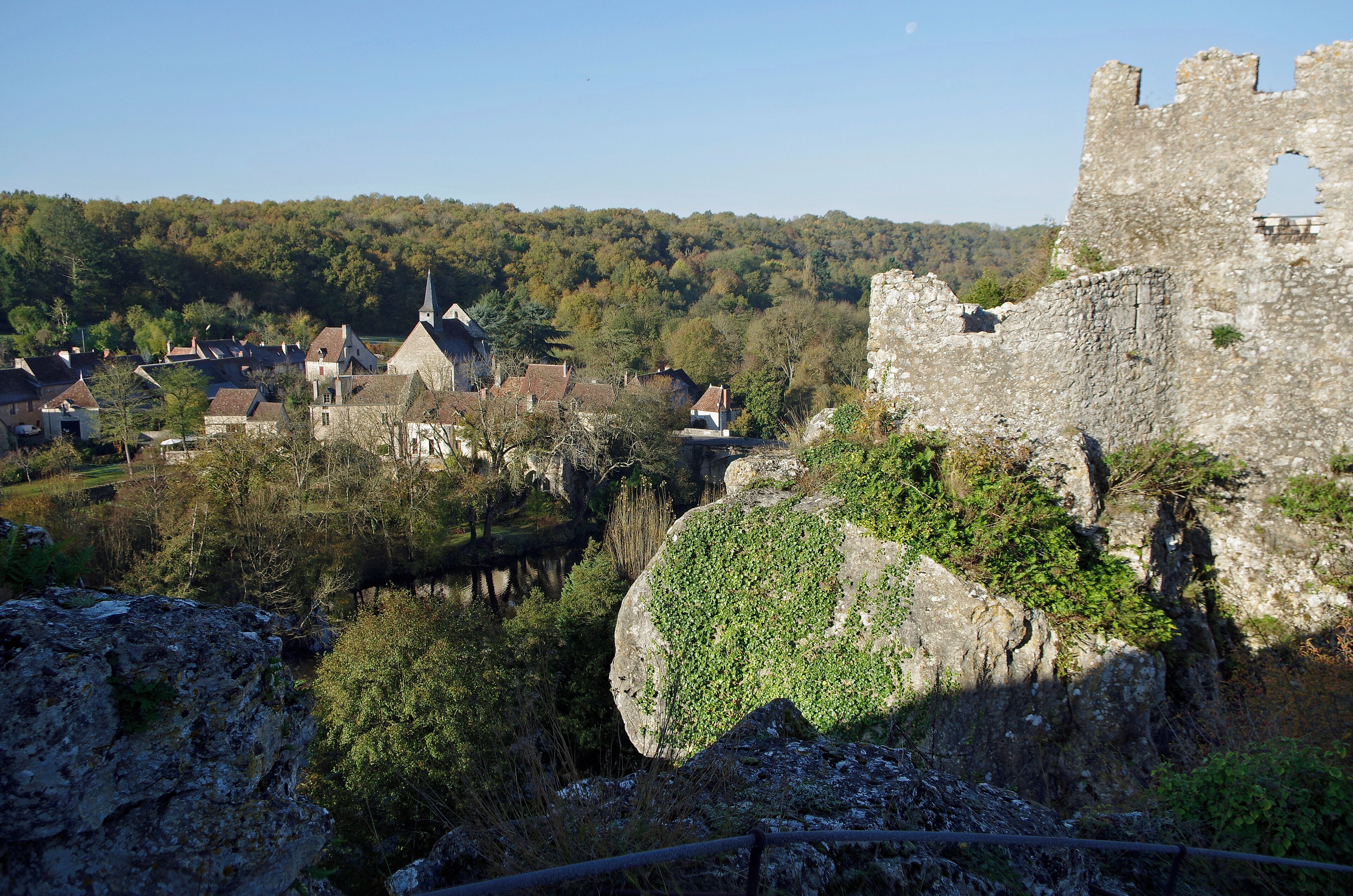
Angles-sur-l'Anglin (Vienne). La vallée de l'Anglin avec la ville basse, vue depuis le château médiéval.
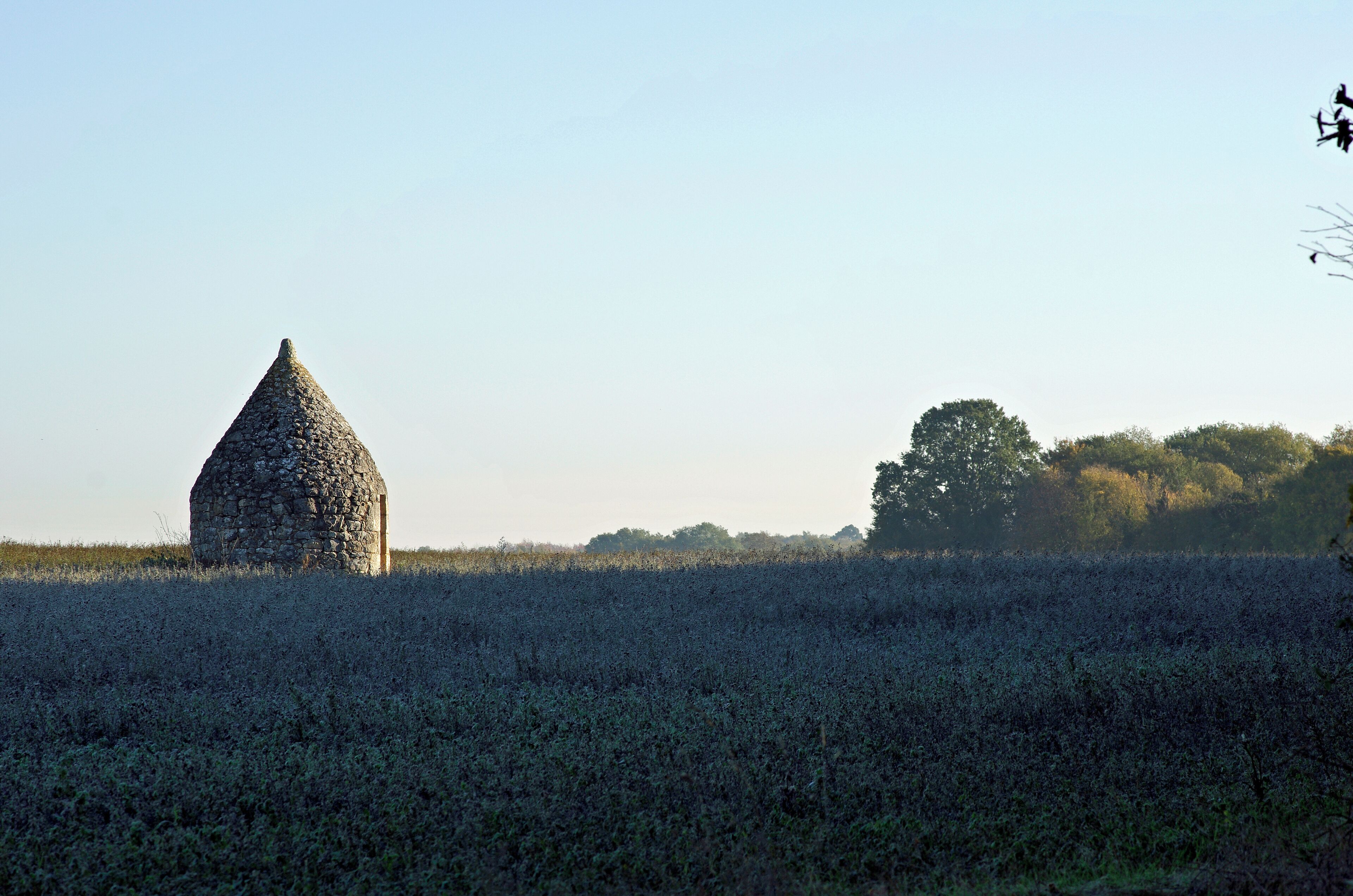
Angles-sur-l'Anglin (Vienne) Loge. les cabanes de pierres, en "pain de sucre", sont encore nombreuses autour d'Angles-sur-l'Anglin. Cette loge a vraisemblablement été restaurée. Ces loges se trouvaient au milieu des vignes, vignes qui peuvent avoir disparu aujourd'hui. Il est difficile de dater l'origine de ces loges, certaines pourraient remonter au néolithique, mais le développement de ces loges suit l'expansion de la culture de la vigne à partir du XVIIe siècle. inventaire.poitou-charentes.fr/operations/vals-de-gartemp...
Angles-sur-l'Anglin (Vienne). Le moulin situé au pied de la forteresse était en fait le moulin de l’abbaye réservé à l’usage des moines et des habitants de Sainte-Croix. A la Révolution, il fut vendu aux enchères comme bien du Clergé. Il eut plusieurs propriétaires et plusieurs fonctions : scierie, meule à grain… Il cessa toute activité vers 1968. Le château a été construit vers 1025 par Gilbert, évêque de Poitiers. Au début du XIIème siècle, il est la possession de la famille des Lusignan Au XIIIème, les Lusignan revendent le château à Gauthier de Bruges, évêque de Poitiers. Guichard d’Angle, né au château, participe à la bataille de Maupertuis en 1356. Par le traité de Brétigny, en 1360, il cède la forteresse aux Anglais. Elle est reprise par Du Guesclin en 1372. Au début du XVème, deux évêques remanient la forteresse. Hugues de Combarel fait édifier un logis d’habitation qui évoque déjà la Renaissance. Guillaume Gouges de Charpaigne poursuit son œuvre. A la fin du XVème siècle, Pierre d’Amboise fait construire la résidence épiscopale de Dissay qui est préférée à la châtellenie d’Angles. Pendant les guerres de religion, les protestants, avec Coligny, pillent le château et l'abbaye Sainte-Croix avant d’être battus à Moncontour. 50 ans plus tard, les partisans de la Fronde prennent la forteresse qui est reconquise en 1652 par le duc de Roannez, gouverneur du Poitou. En 1708, le parlement de Paris exempte les évêques de Poitiers de leur devoir d’entretien. En 1792, la forteresse, en ruine, est confisquée et la commune décide de l’utiliser comme carrière de pierres. Au XIXème siècle, elle est transformée en parcelles cultivables. En 1882, le château est acheté par le baron de Puynode, propriétaire du château des Certeaux. Sa veuve revend le château à la société des Antiquaires de l’ouest en 1921 qui le fait classer monument historique en 1926 avec l’Eglise Saint-Martin et les restes de l’abbaye Sainte-Croix. La commune rachète la forteresse pour le franc symbolique en 1986. Angles sur l'Anglin (Vienne). The mill at the foot of the fortress was in fact the mill of the abbey for the exclusive use of the monks and people of St. Croix. During the Revolution, it was sold at auction like many of the clergy. He had several owners and several functions: mill, grinding grain ... It ceased activity around 1968. The castle was built in 1025 by Gilbert, Bishop of Poitiers. In the early twelfth century, it is the possession of the family of Lusignan The thirteenth, the Lusignan sell the castle of Bruges Gauthier, Bishop of Poitiers. Guichard d'Angle, born in the castle, takes part in the battle of Maupertuis in 1356. By the treaty of Bretigny, in 1360, he sold the castle to the English. It is taken by Du Guesclin in 1372. At the beginning of the fifteenth, two bishops rework the fortress. Hugues de Combarel had built a dwelling house which already evokes the Renaissance. William Gouges Charpaigne of continuing his work.
 At the end of the fifteenth century, Pierre d'Amboise built the episcopal residence in Diss which is preferred to the manor of Angles. During the wars of religion, the Protestants, with Coligny, pillage the castle and the abbey Holy Cross before being beaten to Moncontour. 50 years later, supporters of the Fronde take the fortress that was conquered in 1652 by the Duke of Roannez, governor of Poitou. In 1708, the parliament of Paris free the bishops of Poitiers their duty to maintain. In 1792, the fortress in ruins, was confiscated and the municipality decides to use it as a stone quarry. In the nineteenth century, it is transformed into arable plots. In 1882, the castle was bought by Baron Puynode, owner of the castle of Certeau. His widow sold the castle to the Society of Antiquaries of the West in 1921 that makes it a historical monument in 1926 with the St. Martin's Church and the remains of the abbey of Sainte-Croix. The town bought the castle for one symbolic franc in 1986.
La Gourmandine

La Gourmandine

3 out of 5
22 avenue du President Wilson Chatellerault
Stay at this hotel in Chatellerault. Enjoy free Wi-Fi, free parking and breakfast (surcharge). Popular attractions Le Grand Atelier Musée d’art et d'industrie ...
8.8/10 Excellent! (42 reviews)
This is a stunning hotel in the center of town run by a lovely, kind and welcoming family. A true taste of France! The hotel was super clean and grounds absolutely gorgeous. If I could give more than 5 stars I would. I will definitely stay here again on my next visit.

Reviewed on 1 Dec 2024

La Gourmandine
Le Chalet Fleuri

Le Chalet Fleuri

2 out of 5
31 rue Aristide Briand Chauvigny
Stay at this hotel in Chauvigny. Enjoy free Wi-Fi, free parking and breakfast (surcharge). Popular attractions Musée des Traditions Populaires et d'Archéologie ...
8.2/10 Very Good! (548 reviews)
The hotel is fairly basic and a bit dated and at check-in there was only French spoken, fair enough. We only stayed for a night and it was a great night. We walked into town where there was excellent food and drink and it’s beautiful. The bed was incredible, super king size and really comfy! Great ...

Reviewed on 2 Aug 2025

Le Chalet Fleuri
greet Hotel Chatellerault

greet Hotel Chatellerault

31, Rue Nungesser et Coli Chatellerault Vienne
The price is AU$144 per night from 6 Feb to 7 Feb
AU$144
6 Feb - 7 Feb
includes taxes & fees
Stay at this hotel in Chatellerault. Enjoy free Wi-Fi, free parking and breakfast (surcharge). Popular attractions Le Grand Atelier Musée d’art et d'industrie ...
9/10 Wonderful! (23 reviews)
Easy location. Discount fuel station nearby, several decent restaurants in the town.

Reviewed on 10 July 2025

greet Hotel Chatellerault
Lowest nightly price found within the past 24 hours based on a 1 night stay for 2 adults. Prices and availability subject to change. Additional terms may apply.
Residence Croma

Residence Croma

3 out of 5
16 rue du paradis La Roche-Posay
Stay at this family-friendly residence in La Roche-Posay. Enjoy free Wi-Fi, free parking and an outdoor pool. Popular attractions Connétable Golf and La Roche-Posay ...
8.2/10 Very Good! (47 reviews)
Good parking Check out at 10 am is too early for travelers Breakfast poor: we only got a bottle of milk no juice in the refrigerator. Our room has no air conditioner , has a fan instead. Disappointed ,room doesn’t look anything like pictures shown Windows has no screen, so when we open to get fresh ...

Reviewed on 23 July 2022

Residence Croma
Terres de France - Appart'Hotel La Roche-Posay

Terres de France - Appart'Hotel La Roche-Posay

3 out of 5
53 avenue des Fontaines La Roche-Posay Vienne
Stay at this golf aparthotel in La Roche-Posay. Enjoy free parking, an outdoor pool and laundry facilities. Popular attractions Connétable Golf and La Roche-Posay ...
8.4/10 Very Good! (168 reviews)
Very comfortable

Reviewed on 1 Aug 2024

Terres de France - Appart'Hotel La Roche-Posay
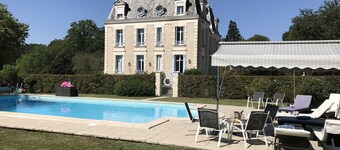
Luxurious Chateau with Private Pool, Tennis and Par 3 Golf

Luxurious Chateau with Private Pool, Tennis and Par 3 Golf

Journet Nouvelle-Aquitaine
Stay at this family-friendly holiday home in Journet. Enjoy private pools, a fitness centre and a garden.
9.6/10 Exceptional! (50 reviews)
What an absolutely amazing place! Everyone had the best time, waking up in gorgeous nature, relaxing on the terrace and partaking in the many activites available. I hope I get to return again but if I dont I will be happy to know at least Ive been once. What a great holiday.

Reviewed on 23 Sept 2025

Luxurious Chateau with Private Pool, Tennis and Par 3 Golf
Lowest nightly price found within the past 24 hours based on a 1 night stay for 2 adults. Prices and availability subject to change. Additional terms may apply.